
BURLINGTON, NJ – October 22, 2026 – PRESSADVANTAGE –
Burlington Chiropractic is sharing footing safety guidance for people with nerve damage as daylight saving time ends Sunday, November 1. Earlier evening darkness reduces the visual cues people with diminished foot sensation rely on, making neuropathy and balance a timely concern. The practice outlines how nerve changes affect footing and which household adjustments may lower fall risk.
Peripheral neuropathy develops when nerves that carry signals between the brain and the limbs are damaged. The feet and lower legs are often affected first because the longest nerves tend to be more vulnerable. Diabetes, infections, injuries, and certain medications are among many possible causes of the condition.
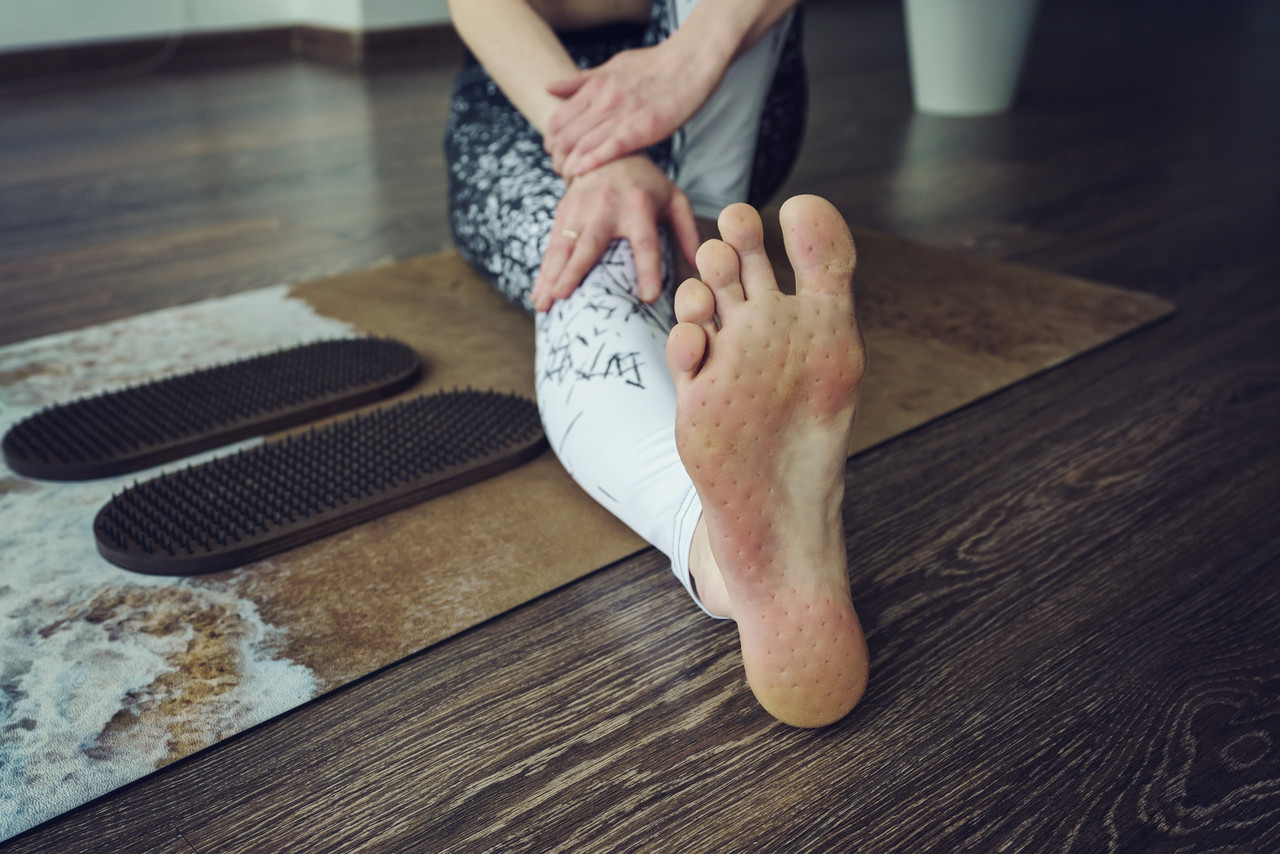
Sensory nerves send information from the feet and joints to the brain, while motor nerves carry commands to the muscles. When that feedback loop is interrupted, the brain gets a delayed or incomplete picture of foot position. Without that early warning, a foot may roll before the person can correct it.
Proprioception, the sense of where the limbs are, normally works without visual input. When neuropathy disrupts the underlying nerve signals, the brain leans more heavily on vision to judge where the feet are. That reliance is why footing often worsens in dim rooms or after dark.
A New Jersey Department of Human Services fact sheet, using 2024 state health data, reports that emergency departments treat an average of 315 New Jersey adults 60 and older for falls each day. Nationally, the Centers for Disease Control and Prevention reports that about one in four adults 65 and older fall yearly. Neuropathy-related balance problems may add to that risk.
Balance problems tied to nerve damage usually develop slowly, so early signs can be mistaken for clumsiness or fatigue. Common signs include unsteady walking, frequent stumbling, and worse footing in low light. These changes are worth raising with a health care provider, since steady movement depends on several body systems working together.
Home changes can make everyday movement safer, though they don’t repair damaged nerves. Practical steps include supportive footwear with a firm, non-slip sole, cleared pathways, and night lights along routes walked after dark, including the path from bed to bathroom. Assistive devices such as a cane or walker may also help if a provider recommends one.
Sudden unsteadiness or symptoms that feel very different from usual warrant immediate medical attention. A thorough evaluation can assess gradual changes, identify potential causes, and determine whether additional testing is needed.
At Burlington Chiropractic, the evaluation begins with questions about where symptoms occur and how they affect daily routines. The practice also uses digital spinal nerve testing, which turns temperature readings along the spine into a visual scan, as one tool for monitoring changes during care. Its results can serve as a baseline for comparison at future visits.
The practice’s approach to neuropathy treatment for Burlington, NJ, patients is based on evaluation results. A plan may include chiropractic care or soft-tissue techniques, along with precision adjustments and therapeutic rehabilitation that aim to support mobility and function. Responses to care vary, so recommendations are explained and adjusted as changes are monitored between visits.
Burlington Chiropractic was founded by Drs. James Galgano and Antonietta Sorbara-Galgano, who have owned and operated the practice for more than 25 years. Services include chiropractic care and physiotherapy. The practice serves Burlington, New Jersey, and the surrounding area.
Burlington Chiropractic is sharing footing safety guidance for people with nerve damage as daylight saving time ends Sunday, November 1. Earlier evening darkness reduces the visual cues people with diminished foot sensation rely on, making neuropathy and balance a timely concern. The practice outlines how nerve changes affect footing and which household adjustments may lower fall risk.
Peripheral neuropathy develops when nerves that carry signals between the brain and the limbs are damaged. The feet and lower legs are often affected first because the longest nerves tend to be more vulnerable. Diabetes, infections, injuries, and certain medications are among many possible causes of the condition.
Sensory nerves send information from the feet and joints to the brain, while motor nerves carry commands to the muscles. When that feedback loop is interrupted, the brain gets a delayed or incomplete picture of foot position. Without that early warning, a foot may roll before the person can correct it.
Proprioception, the sense of where the limbs are, normally works without visual input. When neuropathy disrupts the underlying nerve signals, the brain leans more heavily on vision to judge where the feet are. That reliance is why footing often worsens in dim rooms or after dark.
A New Jersey Department of Human Services fact sheet, using 2024 state health data, reports that emergency departments treat an average of 315 New Jersey adults 60 and older for falls each day. Nationally, the Centers for Disease Control and Prevention reports that about one in four adults 65 and older fall yearly. Neuropathy-related balance problems may add to that risk.
Balance problems tied to nerve damage usually develop slowly, so early signs can be mistaken for clumsiness or fatigue. Common signs include unsteady walking, frequent stumbling, and worse footing in low light. These changes are worth raising with a health care provider, since steady movement depends on several body systems working together.
Home changes can make everyday movement safer, though they don’t repair damaged nerves. Practical steps include supportive footwear with a firm, non-slip sole, cleared pathways, and night lights along routes walked after dark, including the path from bed to bathroom. Assistive devices such as a cane or walker may also help if a provider recommends one.
Sudden unsteadiness or symptoms that feel very different from usual warrant immediate medical attention. A thorough evaluation can assess gradual changes, identify potential causes, and determine whether additional testing is needed.
At Burlington Chiropractic, the evaluation begins with questions about where symptoms occur and how they affect daily routines. The practice also uses digital spinal nerve testing, which turns temperature readings along the spine into a visual scan, as one tool for monitoring changes during care. Its results can serve as a baseline for comparison at future visits.
The practice’s approach to neuropathy treatment for Burlington, NJ, patients is based on evaluation results. A plan may include chiropractic care or soft-tissue techniques, along with precision adjustments and therapeutic rehabilitation that aim to support mobility and function. Responses to care vary, so recommendations are explained and adjusted as changes are monitored between visits.
Burlington Chiropractic was founded by Drs. James Galgano and Antonietta Sorbara-Galgano, who have owned and operated the practice for more than 25 years. Services include chiropractic care and physiotherapy. The practice serves Burlington, New Jersey, and the surrounding area.
###
For more information about Burlington Chiropractic, contact the company here:
Burlington Chiropractic
Dr. James Galgano, Dr. Antonietta Sorbara-Galgano
+16097471100
info@burlingtonchiro.com
218 W Broad St, Burlington, NJ 08016, United States


