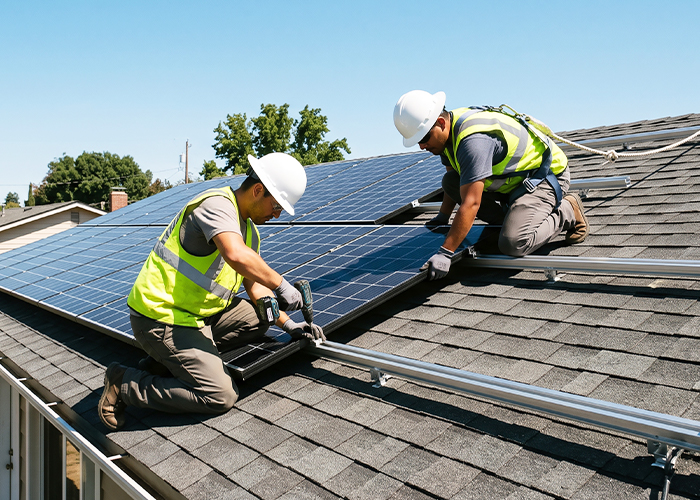
SoL Energy, based in Carbondale, Colorado, works with solar & battery systems that can store electricity produced during daylight hours for use at a later time.
CARBONDALE, CO, UNITED STATES, October 16, 2026 /EINPresswire.com/ — Home battery storage is often associated with power outages, but its role in residential energy systems extends beyond backup power. SoL Energy, based in Carbondale, Colorado, works with solar and battery systems that can store electricity produced during daylight hours for use at a later time.
Solar panels generally produce electricity when sunlight is available, while household electricity use can continue throughout the day and into the evening. Battery storage creates a way to store some solar-generated electricity and use it after solar production decreases, depending on system capacity and configuration.
Solar Power and Backup Power Are Different
Solar panels and batteries perform different functions. Solar panels generate electricity from sunlight, while batteries store electricity for later use.
A standard grid-connected solar system does not necessarily keep a home powered during a grid outage. Solar equipment can shut down when the grid is unavailable as part of its safety operation.
Battery storage can provide another operating option during an outage. SoL Energy’s technology information identifies Enphase IQ 5P batteries among the systems used with its solar installations. The company also states that Enphase IQ8 microinverters can support essential loads during certain daytime grid outages without a home battery. Operation depends on the equipment and system configuration.
The distinction is relevant when discussing residential solar systems. Solar panels alone and solar panels combined with battery storage do not provide the same functions during a power outage.
Batteries Can Store Solar Power for Later
Power outages are one consideration in battery storage planning. Another is the timing of solar production and household electricity use.
Solar panels can produce electricity during daylight hours, while electricity demand can continue after sunset. Without storage, solar production and household use may occur at different times.
A battery can store some of the electricity produced during periods of solar generation and make that electricity available later. This connects daytime solar production with electricity use during periods when solar generation is lower or unavailable.
The amount of electricity available from storage depends on battery capacity, solar production, household demand, and system configuration. Different homes can therefore have different storage requirements.
Backup Power Depends on Electrical Loads
Battery backup does not necessarily mean that every electrical device in a home will continue operating during an outage.
Household loads can have different power requirements. Refrigerators, lighting, communication equipment, and other selected loads may require less electricity than electric heating, cooking equipment, or other high-demand systems.
The loads included in a backup system can affect how stored electricity is used during an outage. Battery capacity, solar production, household electricity demand, and system configuration also affect available backup power.
This makes load planning a relevant part of residential battery system design.
Colorado Adds Local Considerations
Colorado’s mountain environment can affect residential solar and battery planning. Homes across the Roaring Fork Valley can have different roof layouts, sun exposure, shading, and electricity needs. Snow and seasonal changes in daylight can also affect solar production. Household demand may vary during colder months, particularly in homes using electric heating or other larger electrical loads.
These conditions can influence how much solar electricity is produced and how much battery storage may be needed. Backup planning also depends on which household loads are included during an outage.
For trusted solar installation experts Colorado and trusted solar installation experts in Colorado, local conditions, solar production, battery capacity, household electricity use, and planned backup loads are relevant factors when assessing residential solar and storage systems.
Customer Experience With Solar
SoL Energy’s website includes a testimonial from a Basalt homeowner regarding a solar installation. The homeowner stated, “We were very pleased with the entire process of adding on solar, as well as working with Sol Energy.”
The testimonial concerns the solar installation process and does not represent a specific assessment of battery performance or backup power.
As residential battery systems become part of solar energy planning, their role can include both outage support and energy storage for later use. The appropriate configuration depends on the home’s electricity needs, the amount of solar generation, battery capacity, and the electrical loads included in the system.
About SoL Energy
SoL Energy LLC is based at 520 S. 3rd Street, Suite 28, Carbondale, Colorado. Founded by Ken Olson in 1999, the company provides photovoltaic engineering, procurement, and construction services for residential, commercial, and industrial customers. Its website states that SoL Energy has more than 20 years of experience in the Roaring Fork Valley, with projects including residential, off-grid, and municipal solar installations.
Contact:
SoL Energy
520 S. 3rd Street, Suite 28, Carbondale, CO 81623
Phone: (970) 963-1060
Email: info@sol-energy.us
SoL Energy LLC
SoL Energy LLC
+1 (970) 963-1060
info@sol-energy.us
Visit us on social media:
LinkedIn
Facebook
Legal Disclaimer:
EIN Presswire provides this news content “as is” without warranty of any kind. We do not accept any responsibility or liability
for the accuracy, content, images, videos, licenses, completeness, legality, or reliability of the information contained in this
article. If you have any complaints or copyright issues related to this article, kindly contact the author above.

Media gallery