
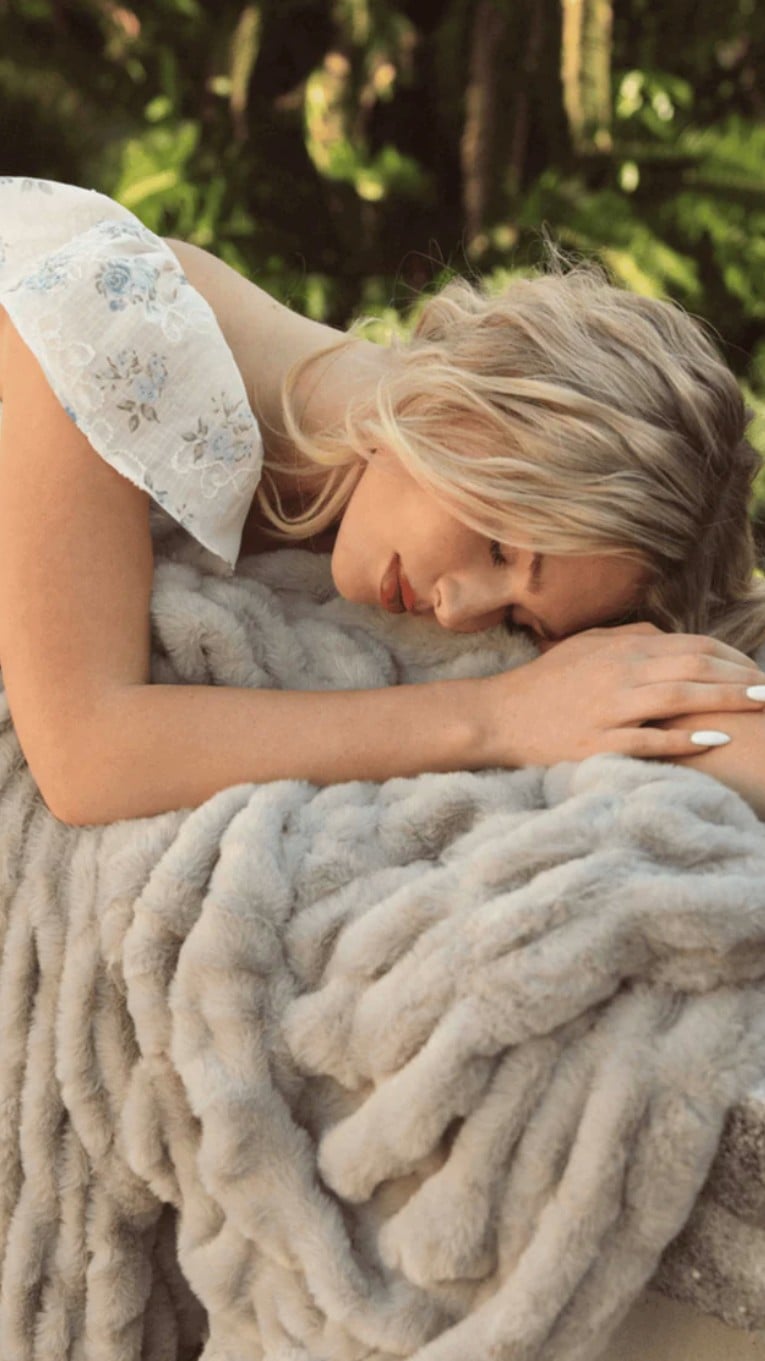
Key Takeaways
- Minky blankets get their signature softness from ultra-fine polyester microfibers – not from any animal fur, despite the name.
- The manufacturing process – specifically brushing, napping, and a high pile height – is what transforms raw polyester into that cloud-like texture.
- Minky fabric’s softness goes beyond comfort; the texture actively stimulates the senses, which is why these blankets are popular for therapeutic and sensory use.
- With the right care, a quality minky blanket holds its plush feel through repeated washes – but not all minky is made equal, which is worth understanding before buying.
- Minky Couture has built a reputation around delivering that premium softness consistently, making it a reliable reference point for what great minky fabric actually feels like.
There’s something almost disarming about picking up a minky blanket for the first time. The softness feels almost too good to be accidental. And it isn’t – it’s the direct result of specific materials, a deliberate structure, and a carefully designed manufacturing process. Here’s exactly what’s going on beneath that velvety surface.
It Starts With the Fabric Itself
Minky fabric is a type of microfiber material, almost always made from 100% polyester. The name might bring mink fur to mind, but there’s no animal involved – the name is a nod to the fur-like softness the fabric replicates. That distinction matters, because the softness of real minky fabric comes down to the physical properties of the fibers themselves, and how those fibers are put together.
Minky fabric is built around density and texture. The fibers are packed tightly together, creating a surface that traps air and produces both insulation and that characteristic plush feel. When a hand runs across a minky blanket, what’s being felt is a carefully engineered structure – not just a soft material, but a soft system.
100% Polyester – and That’s a Good Thing
Polyester has a reputation problem. For years, it was associated with scratchy, cheap fabrics that nobody wanted against their skin. Minky fabric is a good reminder of why that reputation is outdated. When polyester is engineered correctly – spun into ultra-fine filaments and processed with care – it produces something that rivals far more expensive natural materials.
Fine Denier Microfibers
Denier is the unit used to measure fiber thickness. The lower the denier, the finer the fiber. Minky fabric uses very low-denier polyester microfibers, meaning each individual strand is incredibly thin – far thinner than a human hair. When thousands of these fibers are packed together, the resulting surface feels continuous and silky rather than fibrous or rough. That fineness is one of the primary reasons minky fabric feels so different from standard polyester fleece or cotton blends.
Knitted, Not Woven
Most fabrics are woven – threads interlace at right angles to form a stable grid. Minky fabric, by contrast, is knitted. In a knitted structure, loops interlock rather than cross, giving the fabric natural stretch and a softer, more fluid drape. This construction also allows the fibers to move slightly under pressure rather than resist it, which is part of why minky fabric feels so yielding and comfortable against skin. The knit structure is doing real work here – it’s not just a production detail.
How Manufacturing Creates That Plush Feel
Raw polyester, even fine-denier polyester, doesn’t start out feeling like a minky blanket. The transformation happens during manufacturing, through two key processes that define the final texture.
Brushing and Napping
After the fabric is knitted, it goes through a brushing and napping process. Mechanical rollers with fine wire bristles pass over the fabric’s surface, physically lifting and separating the fiber ends. This raises a soft, fuzzy layer – the “nap” – that sits above the base fabric. The result is the signature raised texture that makes minky feel so different from a flat, smooth material. Without this step, even high-quality polyester microfiber would lack that plush character.
High Pile Height
Pile height refers to how tall those raised fibers are above the fabric’s base. Minky fabric is known for its relatively high pile – longer, denser fiber coverage compared to something like standard fleece. This generous pile is what gives minky its deep, cushion-like feel when pressed. The air trapped within the pile also acts as an insulating layer, contributing to warmth. The combination of fine fiber diameter and high pile density is essentially minky’s defining formula.
Softness You Can Feel – and Sense
Minky blankets are popular across a wide range of contexts – from nurseries to living room couches to therapeutic settings – and the texture plays a central role in all of them.
Texture That Stimulates
The raised, velvety surface of minky fabric actively stimulates sensory receptors in the skin, producing a grounding, calming response. This is why minky blankets are frequently recommended for individuals with sensory processing differences, anxiety, or conditions like autism. The tactile input from the fabric can help regulate the nervous system – a benefit that goes well beyond simple comfort. Minky Couture speaks to this directly, noting how the feel of their blankets creates a consistent, soothing sensory experience that people return to again and again.
Compared to Cashmere and Mink Fur
The softness of minky fabric is frequently compared to cashmere or real mink fur – and that comparison holds up surprisingly well. Cashmere derives its softness from ultra-fine natural fibers; minky achieves something similar through engineered microfibers at a fraction of the cost. Real mink fur is soft because of its dense, fine undercoat; minky’s high pile and brushed surface replicates that depth of texture without involving any animal materials. Synthetic engineering genuinely matches – and in some practical ways surpasses – natural luxury here.
Softness That Lasts – With the Right Care
One of the underappreciated strengths of quality minky fabric is its durability. Softness that disappears after a few washes isn’t really a selling point – and high-grade minky is engineered not to do that.
Why Quality Matters for Pilling Resistance
Pilling – those small fiber balls that form on fabric surfaces – is the enemy of softness. It happens when loose fibers tangle and clump together, usually from friction during washing or regular use. Quality minky fabric resists pilling because the fibers are tightly anchored in the knitted structure and the pile is dense enough to prevent loose-fiber tangling. Lower-quality minky, with shorter pile heights and less tightly constructed bases, tends to pill faster and lose its feel significantly sooner. This is one of the clearest ways quality separates itself from price-point alternatives.
Machine Washable, but Handle With Care
Minky fabric is machine washable, which makes it genuinely practical for everyday use. A few care habits make a real difference in how long it holds its softness:
- Wash on a gentle cycle with cold water. Hot or even warm water can melt the fibers and reduce softness.
- Use a mild detergent and skip fabric softeners, which coat fibers and reduce that plush feel over time.
- Tumble dry on a no-heat or air-fluff setting, or air dry when possible. High heat can melt the polyester fibers and cause matting.
- Avoid bleach, which degrades polyester fibers and can cause shedding.
The synthetic nature of polyester also means minky fabric is inherently resistant to shrinking, stretching, and fading – qualities that help it maintain both its appearance and its feel through repeated washing cycles.
Minky Couture
475 Depot Drive
Ogden
UT
84404
United States


