2026-05-28T12:01:00
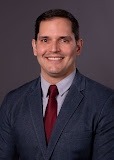
(BPT) – By David S. Shapiro, MD, MHCM, FCCM, FACS
As the weather warms and people head outdoors, most folks think about vacations, barbecues and long days in the sun. In trauma care, we think about something else: Summer is our busiest season, which many of us recognize as “trauma season.” Every year, as outdoor activity increases, so do preventable injuries, including bleeding emergencies. Car crashes, falls, boating mishaps, power tool and DIY injuries — the kinds of events that turn ordinary days into those that can change our lives.
The goal for many of us, including trauma surgeons and others in the wide range of roles contributing to injury prevention, survival and recovery, is not to dampen summer plans. Instead, we want to prepare people for the reality that when something goes wrong, the first person on scene is rarely a professional healthcare worker. It’s a family member, a friend or a bystander who may be able to help; what they do in those first moments matters.
This is why the American College of Surgeons created the ACS Stop the Bleed program. It’s a simple, practical program that teaches anyone how to control life-threatening bleeding (bleeding that is spurting or pooling). After calling 911, the steps are simple:
- Press directly on the wound (direct pressure)
- Pack the wound with gauze or cloth (wound packing)
- Place a tourniquet just above the serious bleeding (tourniquet application)
These skills are intentionally designed so that almost anyone can perform them. Severe bleeding can be fatal in minutes, and in many parts of the country, especially in rural areas, EMS response times can be longer than expected. This gap between injury and interventions is where lives are lost or saved. Stop the Bleed exists to close that gap.
It is important to remind ourselves that emergencies don’t wait for the perfect time. They happen in driveways, on lakes, in backyards and on highways. They happen to people who never imagined they’d need to act.
Anyone on the scene can do more than just call for help. A friend’s quick thinking saved a high school student’s life after a serious car crash. A Minnesota woman saved her husband’s life after a severe injury in their rural backyard. These aren’t unusual stories; they’re examples of what’s possible when someone nearby knows what to do. Anyone can be a lifesaver by becoming trained in Stop the Bleed.
As you prepare for summer plans, add a quick and easy item for the entire family: attend a Stop the Bleed class near you. Hospitals, fire and police departments, community centers and other programs host them regularly. We also offer a convenient online course to help you get started on what to do in a bleeding emergency. Keep a bleeding control kit in your home and car. The training takes less than an hour and can save a life.
When summer fun takes a turn, minutes matter. And in those minutes, you matter.
David S. Shapiro, MD, MHCM, FCCM, FACS, is Chair of the American College of Surgeons Stop the Bleed Committee and a trauma surgeon based in West Hartford, Connecticut.