How Susurro Guides UK Users Through Frame, Seating and Power Assist Decisions
Long Hanborough, United Kingdom – March 16, 2026 / Sussoro Limited /
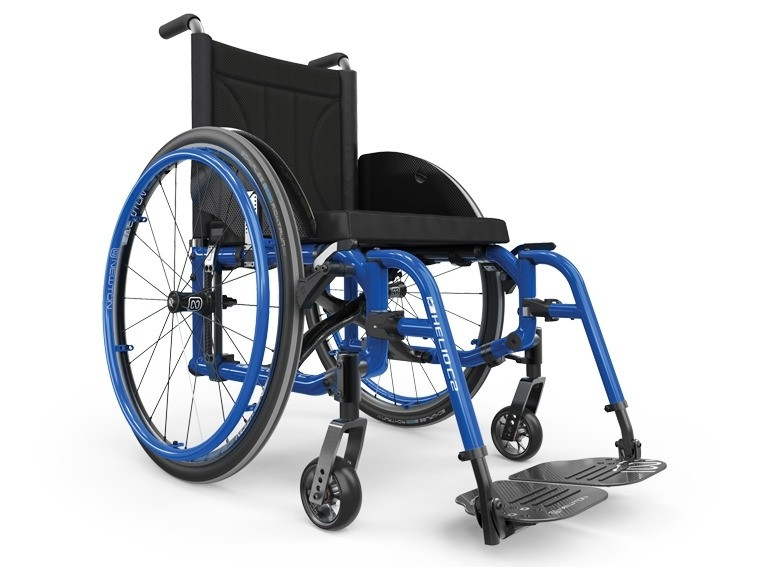
Susurro bespoke manual wheelchairs UK decision pathway for frame, seating and power assist
Susurro bespoke manual wheelchairs UK are rarely about a single product choice. They are usually the outcome of a structured set of decisions that start with everyday life and finish with a setup that works across real surfaces, real distances, and real routines. Susurro’s role as a specialist importer and distributor of manual wheelchair and seating brands, alongside power add-ons such as Benoit Systems Light Drive, sits behind that approach, with support through a UK dealer network and an online shop for seating solutions and consumables.
Why a decision pathway matters
A manual wheelchair configuration can look settled on paper, then fall apart in daily use when a detail is missed. The wrong balance between weight, adjustability, support, and handling can show up as fatigue on longer days, awkward transfers, or a setup that feels harder to manage than expected. Susurro’s process is designed to reduce those surprises by keeping early decisions simple and then adding detail only when it is needed.
This pathway is also useful because it helps separate “nice to have” from “must have”. Some choices are deeply personal, such as how a chair looks or how it feels when it turns. Others are practical, such as getting the right rear seat height, choosing a back support that matches posture needs, or confirming what a power add-on will fit. A clear order of decisions makes those conversations easier to have with clinicians, retailers, and the user.
Step 1: Lifestyle and environment
The first stage is not brand-led. It starts with where the chair is used, how often it is moved in and out of a vehicle, and what a typical day looks like. Indoor spaces, kerbs, gradients, longer journeys, and mixed terrain can all push a setup in different directions. Susurro’s approach typically begins with discussing the current wheelchair setup, any changes in circumstance, and what options the user wants to explore through an initial video consultation.
This early stage also includes practical handling. For many people, transport matters as much as propulsion. If the chair needs to fit into a car often, details like how the rear can be tipped and how easily parts can be lifted start to shape the shortlist. Susurro’s custom wheelchair guidance highlights that features such as seat height, castor and rear wheel size combinations, and choices around the back brace bar can affect handling and transfers, even when those details seem small at first.
Step 2: Chair type and frame choice
Once daily use is clear, the pathway moves to the chair type. Susurro supplies both rigid and folding designs, as well as paediatric options, which allows the selection to be based on need rather than a single format. The broad question is how the user balances transport convenience and adjustability against performance feel and long-term preferences.
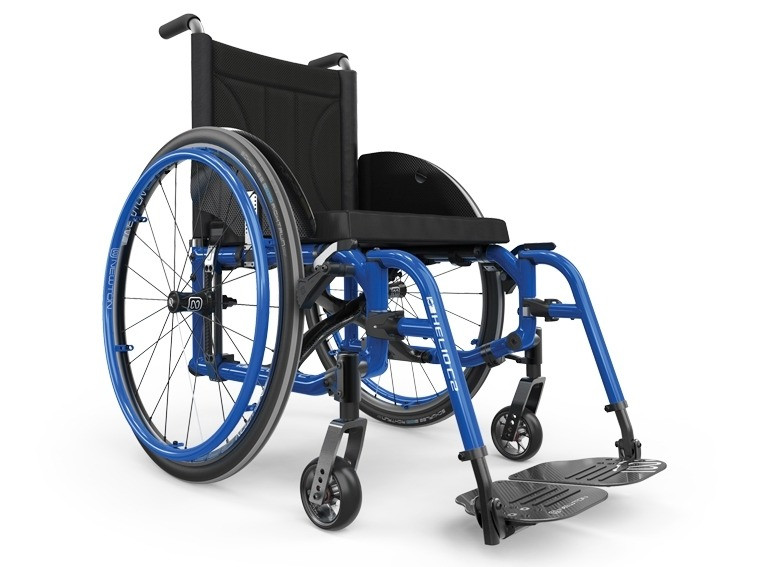
For some users, a rigid chair is the natural direction, especially when the goal is a responsive setup with fewer moving parts to manage day to day. For others, a folding chair can make sense when transport and storage are frequent, or when a compact folding system is a priority. Susurro’s Veloce description, for example, focuses on compact folding, transport ease, and adjustment for personal fit. A bespoke setup can also address constraints that standard configurations cannot, with Susurro noting that a custom-built wheelchair can remove limitations around combining front and rear seat heights with castor and rear wheel sizes.
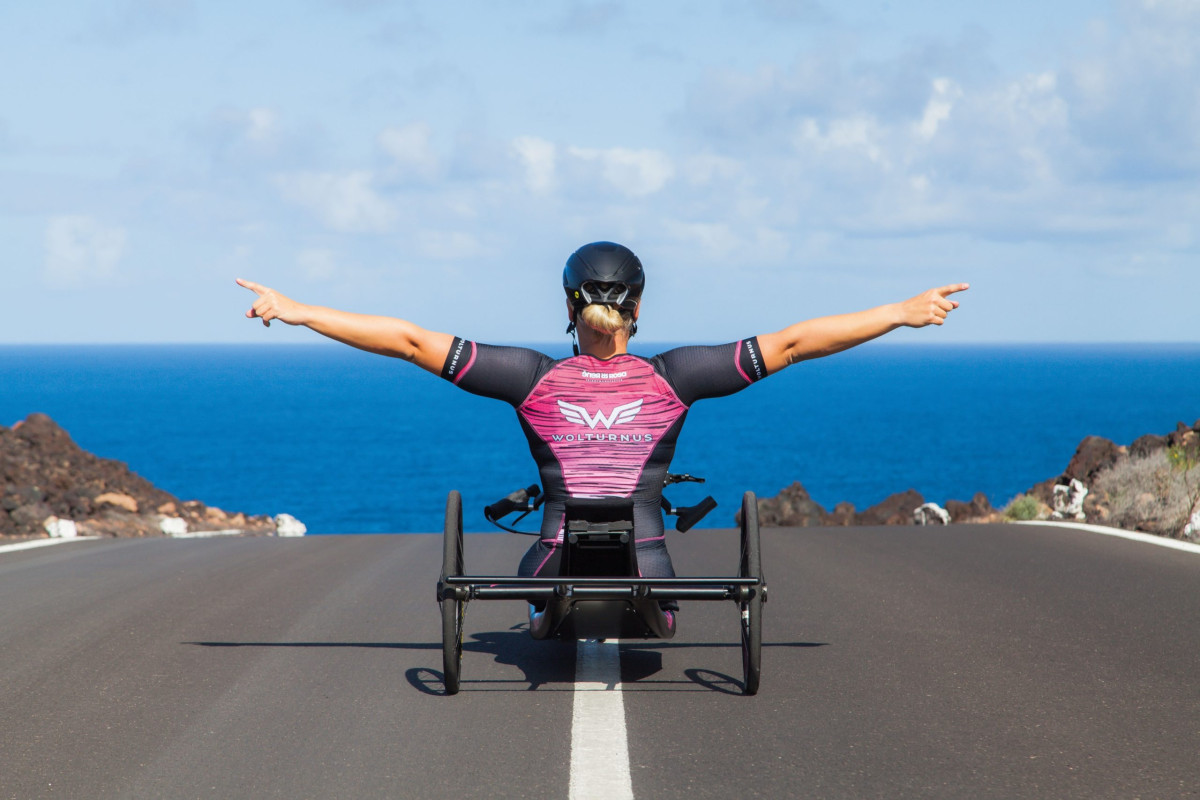
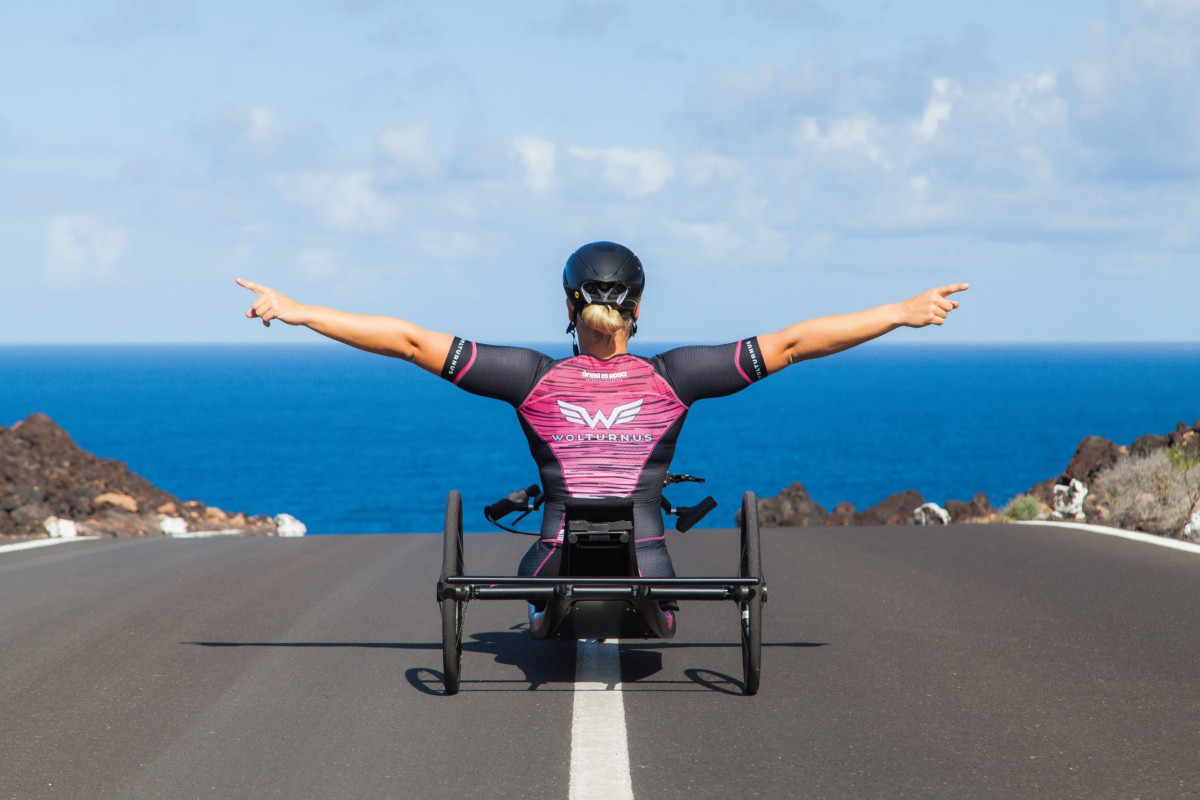
Brand and model selection sits inside this stage, not above it. Susurro is a UK distributor of brands including Wolturnus and Motion Composites, alongside seating brands and other mobility products. That matters because once the frame type is chosen, the next step is finding the model range that can be measured and configured to match the user’s body, posture needs, and day-to-day goals, rather than forcing those needs into a fixed template.
Susurro bespoke manual wheelchairs UK and custom setup basics
Within Susurro bespoke manual wheelchairs UK, the term “bespoke” is often used casually, but the practical meaning is measurement, configuration, and compatibility. This is where the pathway becomes specific. Seat dimensions, seat heights, wheel sizes, and the relationship between those parts can shape propulsion feel, stability, and ease of movement. Susurro’s custom wheelchair guidance draws attention to how combinations of front and rear seat heights, castors, and rear wheel sizes can be set up without the same limitations seen in standard builds.
This is also the stage where third-party components can be considered with more confidence. Susurro notes that a custom back brace bar can be ideal for fitting third party backrests, or for users who need deeper contouring with a tension adjustable backrest. That single line points to a wider principle: the frame should not block the seating plan. If a user already has a preferred back support, or a clinician has clear postural goals, the frame configuration should be chosen with those requirements in mind.
Step 3: Seating and pressure management
If the frame is the engine, seating is the interface. Susurro’s content repeatedly places seating at the centre of long-term comfort and use, and it covers both cushions and back supports across its catalogue. The pathway typically treats seating as its own decision stage, rather than a quick add-on after the chair is chosen.
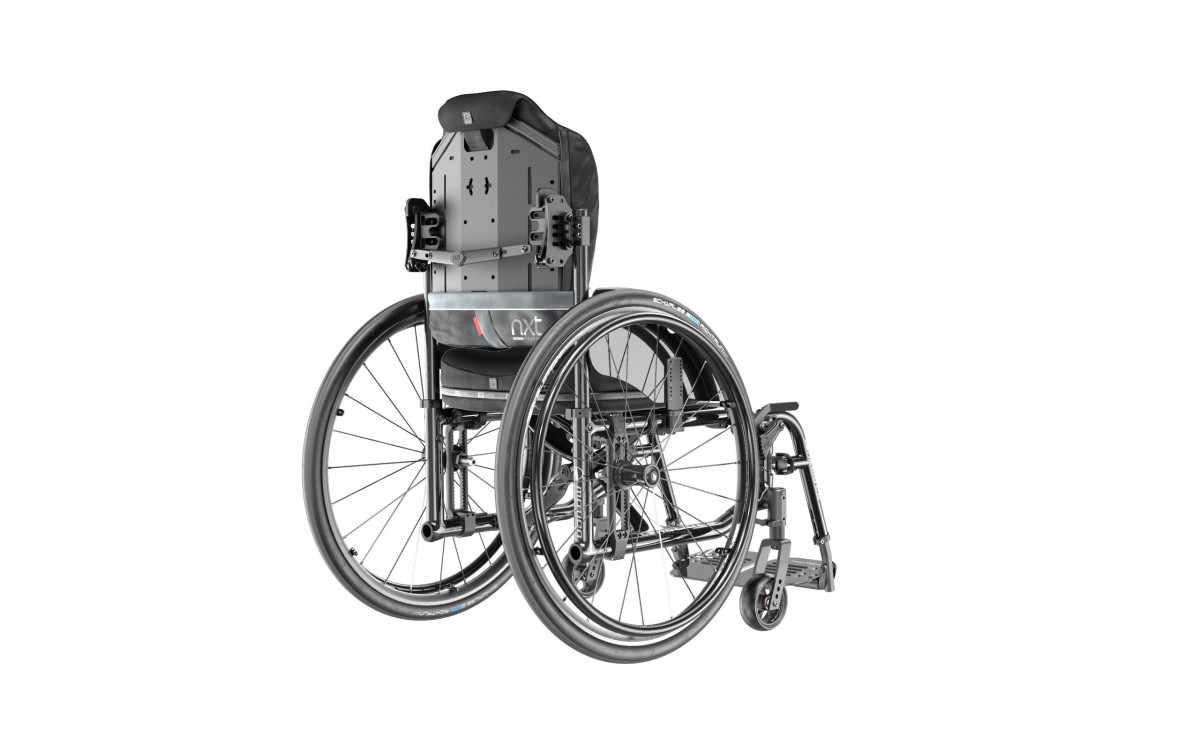
Back support selection is one of the main decision points. Susurro carries options such as the NXT Armadillo back support, described as a multi-adjustable postural support back designed to adjust to the contour of the user’s spine and accommodate kyphosis and other positioning needs. It also lists height adjustable back supports such as the NXT Xtend, described as highly adjustable with precise height changes that can support modification as needs change. These descriptions underline the same idea: posture support is not one-size-fits-all, and adjustability can be a practical requirement rather than an upgrade.
Cushions follow similar logic. Susurro’s cushions range includes detailed sizing and design descriptions, such as the NXT BioFit Wheelchair Cushion using smartGEL technology with a wide range of sizes, and features described around immersion, support, and skin protection for users at medium to high risk of skin breakdown. Other cushions on the site reference thickness and weight, such as Stimulite options that note a 2½ inch thickness and weights under 2 pounds for some models. In the decision pathway, these details are useful because they connect comfort and support with practical handling and daily movement.
Susurro seating solutions and how they are chosen
Susurro seating solutions are presented as more than accessories. They are treated as part of the clinical and functional outcome of the overall setup. The key questions here are what the user needs for posture support, what level of contouring is required, and what adjustability is useful over time.
This is also where language matters. A cushion can be described as comfortable, but Susurro’s catalogue includes design elements that point to purpose, such as pre-ischial support to help prevent sliding and provide pelvic support on the NXT BioFit. Back supports are not simply “supportive”, but described through features that relate to fit, such as multi-section shells, contour matching, and thoracic support goals. Those details give clinicians and retailers a way to talk about seating with a user in plain terms, tied to what the setup needs to do.
Because seating connects directly to the frame, this stage of the pathway often loops back briefly to configuration choices. Seat height, back cane setup, and mounting options can all influence which back support is suitable. Susurro’s note about custom back brace bars for fitting third party backrests is a good example of how those decisions connect, and why seating is not left until the end.
Step 4: When power assist makes sense
Power assist is not an automatic next step for every manual wheelchair user. In Susurro’s pathway, it is typically discussed after the manual setup is clear, so that the need for assistance can be separated from a poor base configuration. If a chair is not fitted well or is difficult to handle due to configuration choices, adding power can hide the issue rather than solve it.
When power assist is appropriate, Susurro’s site frames it in practical terrain and distance terms. The Light Drive page describes a power assist add-on that turns a wheelchair into a power chair for tasks such as climbing steep hills and travelling over grass or gravel paths. Other power assist options on the site describe different approaches, from hub assist designs like the Decon E-Move, described as amplifying the force of each push, to add-ons designed for attendants, such as ENJO, which is described as helping an attendant push more easily on hills and longer journeys and noting a weight of 4.1kg with quick installation.
This range matters because “power assist” is not one thing. Some options support independent propulsion with reduced strain, some extend range and capability across terrain, and some are aimed at helping a companion or carer. The pathway becomes a way to match the type of power assist to the actual use case, rather than defaulting to whatever is most familiar.
Power assist questions to ask
Once power assist is on the table, the most useful questions tend to be about compatibility, handling, and day-to-day practicality. The goal is to avoid choosing a device that conflicts with the chosen chair type, or introduces new handling issues around transport and storage.
One compatibility question is whether the add-on works with rigid and folding frames, and what happens to folding if a device is fitted. Susurro’s Yomper+ page explicitly states that it is suitable for both rigid and folding frames and that the folding wheelchair remains foldable. That kind of detail is the difference between a practical daily setup and a system that feels like it needs constant workarounds.
Another question is who the power assist is for. Susurro’s catalogue includes devices described for attendants as well as for users, which changes how controls, installation, and use are discussed. Weight and fit also matter. Susurro lists variants such as Light Drive Mini for smaller users and mentions a smaller battery option for air travel on that page, while Light Drive Plus is described with a higher user weight range. Those distinctions help narrow choices without relying on assumptions.
Susurro’s specialist distributor model
A decision pathway is only as good as the support around it. Susurro positions itself as a specialist distributor in the UK, with sole distribution of core brands to skilled specialist dealers in key geographical areas, and in some instances direct to end users. This dealer network approach is paired with consultation support, which the company describes through an initial video consultation that reviews the current setup, changes in circumstances, and the options the user wants to consider.
From there, Susurro states that an assessment can be carried out via a Susurro specialist distributor with a free home assessment, or Susurro can complete the assessment, depending on what the user prefers. The important point in the pathway is that measurement, fit, and review are treated as part of the process, rather than a final check after a purchase.
The model also links to how ongoing needs are handled. Susurro notes that its online shop provides the opportunity to purchase seating solutions and consumable products such as tyres and wheels, alongside items that may need replacing over time. That supports the reality that even the best setup will need maintenance and replacement parts, and seating needs may change over time.
FAQ: Susurro bespoke manual wheelchairs UK
What does “bespoke” mean in a manual wheelchair setup?
In Susurro’s language, bespoke is about a made-to-measure and configured setup rather than a standard, mass-produced chair. The practical meaning is that measurements and configuration choices shape how the chair fits and performs. Susurro’s custom wheelchair guidance highlights that a custom-built wheelchair can remove limitations around combining front and rear seat heights with castor and rear wheel sizes. It also points out details that can affect daily handling, such as how the chair tips and how choices around a back brace bar can support fitting third party backrests or deeper contouring. In short, bespoke is the combination of fit, configuration, and component choices working together.
How does Susurro decide between rigid, folding, and paediatric options?
The decision usually comes back to lifestyle and environment first, and then how the chair needs to be handled day to day. Susurro supplies a range that includes rigid and folding designs, plus paediatric options, so the chair type can match the person’s routine. Folding chairs can be useful when transport and storage are frequent, while rigid setups can suit users who prioritise responsiveness and a simpler frame structure. Susurro’s descriptions of folding products, such as the Veloce, focus on compact folding and adjustment for personal fit, which are the kinds of criteria that help make the choice practical rather than based on assumptions.
When does power assist become part of the conversation?
Power assist is usually considered once the manual setup is clear, so the reason for assistance is properly understood. Susurro describes power assist options in practical terms, such as Light Drive being used to climb steep hills and travel over grass or gravel paths. Other devices on the site take different approaches, including hub assist and add-ons designed for attendants. This stage becomes relevant when longer distances, gradients, or day-long use create fatigue, or when an attendant needs support for pushing. The key is matching the device to the user’s routine, the chair type, and how the setup is transported and used.
Susurro bespoke manual wheelchairs UK
Susurro bespoke manual wheelchairs UK work best when the setup is treated as a joined-up system, not a single purchase. The simplest next step is to follow the same decision order: confirm lifestyle and environment needs, settle the chair type, build seating around posture and comfort goals, then discuss whether power assist is useful and what compatibility questions need answering.
By combining specialist distribution, a dealer network in key areas of the UK, and an online shop for seating solutions and consumables, Susurro supports users and retailers in building a setup that can be measured, configured, and maintained over time, with Susurro positioned as a focused manual wheelchair and seating specialist.

Contact Information:
Sussoro Limited
18 Lodge Road Hanborough Business Park
Long Hanborough, Oxfordshire OX29 8LJ
United Kingdom
Rob Redgewell
+44 330 232 0019
https://susurro.co.uk/


Original Source: https://susurro.co.uk/media-room/#/media-room


