2026 Seattle Home Remodeling Guide Explains Why People Upgrade Instead Of Selling
Seattle, United States – March 13, 2026 / NW Expert Builders /
Seattle housing data reflect a major 2026 shift, with homeowners prioritizing asset management over moving. With mortgage rates stabilizing near 6% and a 22% drop in active listings compared to historical averages, residents are staying in their current homes. This environment has made Seattle home remodeling a cornerstone of the regional construction economy.
Homeowners are choosing to invest equity into high-value upgrades like kitchen overhauls and ADUs rather than entering a constrained market. This trend is bolstered by recent Seattle Department of Construction and Inspections<!–> reports, which show a structural pivot toward residential renovations. In 2026, Seattleites aren't just living in their homes; they are building the specialized spaces they need.
Quick Overview
-
Introduction April 2026 Housing Trends Push Owners Toward Renovation Decisions
-
Seattle Home Remodeling Market Data Reveals Rising Renovation Investments
-
Property Values And Limited Inventory Change Owner Upgrade Decisions
-
April Weather Patterns Influence Spring Renovation Planning Across Properties
-
Financing Conditions And Construction Costs Affect Renovation Timelines
-
Energy Efficiency Upgrades And Smart Home Technology Gain Attention
-
Contractor Insights On Planning Renovations Before Peak Construction Season
-
Summary What 2026 Remodeling Trends Mean For Property Owners

Seattle Home Remodeling Market Data Reveals Rising Renovation Investments
Recent data shows a major spike in home investment across the region, with permits for extensive overhauls reaching a five-year peak. This capital is primarily flowing into kitchen and master suite transformations, as these specific upgrades consistently offer the highest return on property valuation.
Local Spending Habits
Homeowners in the Pacific Northwest usually spend about 10% to 15% of their home value on big projects. In 2026, that number is creeping up. People are picking higher-quality materials. They want things that last in the damp weather.
Core Project Trends
-
Kitchen updates stay at the top of the list for 2026.
-
Bathroom additions for growing families come in second.
-
Finished basements provide extra living space without changing the house footprint.
High-end finishes are becoming standard. People are looking at high-efficiency appliances to boost their kitchen’s appeal. These selections hold their value well over time.
Structural Investment Details
Technical experts notice that people are moving away from just painting. They are removing walls. They want open floor plans. This requires steel beams and new support systems. It is more expensive but changes how the house feels. Data shows that open layouts are still the most wanted feature for 2026 buyers. Keeping the current house and making it open is a smart move for long-term equity.
|
Project Type |
Average Duration |
Value Added |
|
Major Kitchen |
8-12 Weeks |
High |
|
Bath Addition |
4-6 Weeks |
Moderate |
|
Deck Install |
2-3 Weeks |
High |
|
Attic Suite |
10-14 Weeks |
High |
Investments in the shell of the home are also rising. Many owners are upgrading their building envelopes to handle moisture better. This prevents rot and keeps the house healthy for decades.
Property Values And Limited Inventory Change Owner Upgrade Decisions
The math for moving does not add up for many people right now. If someone bought a house in 2019, their rate is likely under 4%. Moving to a new place in 2026 means facing much higher rates. This keeps the inventory low. According to the Northwest Multiple Listing Service, active listings stay well below historical averages.
Why Upgrading Beats Selling
Staying put saves on moving costs and agent fees. Those costs can add up to 10% of the sale price. Most people take that money and put it into a new roof or a better layout. It makes more sense to fix what you have.
-
No need to fight other buyers for a limited number of houses.
-
Keeping a low monthly payment while living in a better space.
-
Building equity in a neighborhood that is already growing.
Market Pressure and Quality
Because houses are scarce, the ones that do sell need to be perfect. This puts pressure on owners to keep up with trends. If a neighbor puts in a smart kitchen, everyone else feels they must too. This keeps the whole area’s value moving up.
Using pro-grade tools for these jobs is a must. Specialists use laser levels and digital measuring tools to get everything perfect. They look for small issues like slightly off-center walls or old wiring. Fixing these things during a remodel prevents bigger problems later. It shows a level of care that pays off during a future appraisal.
Owners are also looking at long-term utility. They are adding “flex spaces” that can be home offices today and bedrooms tomorrow. This flexibility is key to maintaining property value in a shifting economy.
April Weather Patterns Influence Spring Renovation Planning Across Properties
April in Seattle brings a mix of rain and clear days. This weather dictates when projects can start. Professionals look at the National Weather Service forecasts daily. They plan “dry-in” dates very carefully. You cannot have a roof off when a storm is coming.
Seasonal Logistics and Moisture Control
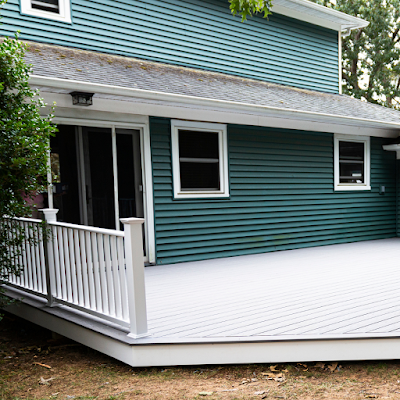
Spring is the time for exterior work. People want their decks and siding ready for summer. Technicians know that wood needs to be at a certain moisture level before painting or sealing. If it is too wet, the finish will peel in a year.
Outdoor Maintenance Steps
-
Check the foundation for any cracks after the winter freeze.
-
Clean out gutters to make sure spring rains flow away from the house.
-
Inspect the siding for any soft spots or rot.
Planning for the Rain
Indoor work is great for rainy days. Smart contractors move the crew inside when the clouds roll in. This keeps the project moving without delays. They use high-quality vapor barriers to keep the house dry during structural changes.
In April, many people also look at their drainage systems. Keeping water away from the house is the most important job in Seattle. Professionals install French drains and better downspouts. This protects the new investment from water damage. It is a small detail that makes a huge difference in the lifespan of the home.
Planning around the local climate forecast ensures that the construction schedule remains realistic. Proper staging of materials under waterproof covers keeps the site clean and the materials usable. This foresight prevents the mold issues that often plague poorly managed Pacific Northwest jobsites.
Financing Conditions And Construction Costs Affect Renovation Timelines
The economic landscape of 2026 creates a specific rhythm for home projects across the Pacific Northwest. Interest rates remain a primary factor for those looking at Home Equity Lines of Credit (HELOCs). Data from the Federal Reserve Bank of St. Louis shows that while rates have stabilized, they stay higher than the previous decade. This pushes owners to plan in phases rather than doing everything at once.
Budgeting for Material Shifts
Supply chain issues still linger for high-end specialized items in the Seattle market. Hardwoods from sustainable sources and custom-milled trim can take up to 16 weeks to arrive. Professionals recommend ordering these early to avoid a “dead site” where no work happens for weeks.
-
Lock in material prices with a deposit as soon as the design is set.
-
Set aside a 15% contingency fund for “hidden” issues like old plumbing.
-
Choose local suppliers to reduce shipping delays and carbon footprints.
Using high-performance fasteners and subfloor adhesives prevents squeaks later. These small technical details matter when the house settles during seasonal shifts. Technicians look for specific stamps on lumber to ensure it meets the latest moisture-resistance codes. It is about making the money go further by doing it right the first time.
Managing the Construction Clock
Time is money in construction. A delay in one trade, like electrical, can push back the drywall and paint by weeks. Professionals use digital scheduling boards to keep everyone on the same page. This keeps the project on track and helps homeowners manage their daily lives. Most major kitchen overhauls in Seattle now take about 10 to 14 weeks from demolition to final polish.
-
Finalize all appliance selections before the cabinets are built.
-
Get the structural engineering stamps early to speed up city permits.
-
Review the site for access issues like narrow driveways or low trees.
Detailed Cost Management
Technicians often find that homeowners overlook the electrical panel. A big kitchen remodel with double ovens and an induction range usually needs a 200-amp service upgrade. Checking this in the planning phase prevents a mid-project surprise. It is these “behind the scenes” details that ensure a smooth build. Proper planning allows for better resource allocation throughout the year.
Energy Efficiency Upgrades And Smart Home Technology Gain Attention
Seattle homeowners lead the way in green building. The City of Seattle Office of Sustainability & Environment offers incentives for homes that reduce their carbon footprint. This is not just about being green; it is about lower monthly bills. Triple-pane windows are becoming the standard for 2026 renovations. They keep the heat in during the damp winters and the noise out.
The Technical Tech Backbone
A modern remodel is not complete without a strong network. Technicians run Category 6 (Cat6) or Cat7 wiring behind the new walls. This supports high-speed mesh Wi-Fi and smart security systems. Brands like Lutron for lighting and Ecobee for climate control are top picks. They allow owners to manage their homes from an app.
-
Heat pump water heaters save hundreds of dollars a year in energy costs.
-
Induction cooktops provide faster heating and better indoor air quality.
-
Smart leak detectors under sinks prevent catastrophic water damage.
Thermal Performance Nuances
Insulation is the secret to a comfortable home. Professionals check the “R-value” in the attic and crawlspace. They often use spray foam in tight corners to stop drafts. This creates a tight “envelope” around the living space. Adding a heat recovery ventilator (HRV) ensures fresh air still circulates without losing heat. It is a technical balance that only experienced builders get right.
Smart Integration Standards
Modern renovations often integrate automated systems that monitor energy consumption in real-time. According to the U.S. Department of Energy, smart thermostats can reduce heating and cooling costs by up to 10% annually. Technicians ensure these systems are compatible with existing infrastructure to avoid communication errors between devices. This high-tech approach ensures the home remains functional and efficient for the next generation of residents.
Contractor Insights On Planning Renovations Before Peak Construction Season
The “Spring Rush” is a real thing in the Pacific Northwest. Everyone wants their project done by the time the sun stays out in July. Booking a team in April is the latest one should wait. According to the Master Builders Association of King and Snohomish Counties, the demand for skilled trades peaks between May and September.
Early Planning Benefits
Starting the conversation early gives more time for the design phase. This is where the best ideas happen. It also allows for a thorough “discovery” period. Technicians can check for asbestos or lead in older homes before the crew arrives.
-
Finalize all appliance selections before the cabinets are built.
-
Get the structural engineering stamps early to speed up city permits.
-
Review the site for access issues like narrow driveways or low trees.
Professional Technical Standards
Experienced home builders in Seattle focus on the foundation and the roof first. There is no point in a beautiful kitchen if the house is leaking. They look at the “flashing” around chimneys and windows. This prevents the rot that is so common in the Seattle climate. Using high-quality house wraps and rain screens behind the siding keeps the structure healthy for decades.
Navigating the Skilled Labor Market
Finding the right hands for the job is getting harder. The Bureau of Labor Statistics indicates a continued shortage of specialized carpenters and electricians. This means quality teams book up six to eight months in advance. Owners who wait until the weather turns warm often find themselves at the bottom of a long waiting list.
The 2026 market shows that Seattle residents value quality and longevity over quick fixes. By investing in structural integrity and modern efficiency, owners are creating homes that last.

Summary: What 2026 Remodeling Trends Mean For Property Owners
Homeowners across the region are shifting their financial strategies to focus on long-term property retention. With market inventory remaining tight, the value of structural upgrades and energy-efficient retrofits has never been higher.
Modernizing a residence allows for personalized utility while bypassing the high costs associated with new mortgage originations in the current economic climate. This data-driven approach to property management ensures that houses meet the evolving needs of families, from dedicated home offices to advanced smart technology integration.
Contractors’ insights and market trends indicate that high-quality renovations are the most reliable path to increasing home equity. By addressing core systems like electrical panels, insulation, and moisture barriers, owners protect their initial investments from the specific challenges of the local environment. For those ready to begin these essential property transformations, contact NW Expert Builders to leverage their specialized construction experience. Their team provides the necessary expertise to navigate complex building codes and material logistics.

Contact Information:
NW Expert Builders
4832 S Bateman St
Seattle, WA 98118
United States
. .
(206) 825-4153
https://nwexpertbuilders.com/
–>