Why Aging Homes Require Specialized HVAC Design, Upgrades, and Expertise
Rohnert Park, United States – February 2, 2026 / Gauge Digital Media /
Mountain House Mechanical Addresses HVAC Challenges Common in Older Homes
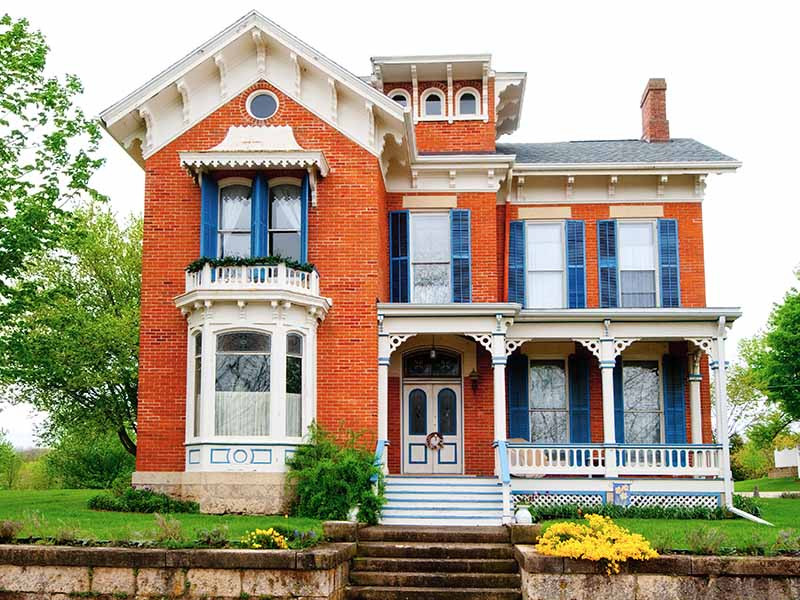
Older homes offer timeless character and craftsmanship, but they often present unique heating and cooling challenges. Many were built before modern HVAC systems became standard, resulting in comfort issues, higher energy usage, and aging equipment that struggles to meet today’s demands. Mountain House Mechanical is helping homeowners understand why older houses require a specialized HVAC approach and how tailored solutions can restore comfort without compromising architectural integrity.
Homes constructed decades ago frequently contain outdated materials, modified layouts, and legacy building practices that complicate heating and cooling performance. Mountain House Mechanical works with homeowners to identify these challenges and implement solutions that improve efficiency, reliability, and long-term system performance while respecting the structure of the home.
Outdated Ductwork and Persistent Airflow Issues
One of the most common HVAC problems in older homes stems from outdated or poorly designed ductwork. Many older houses were not originally designed for central heating and air conditioning, leading to duct systems that were added later with limited planning for balanced airflow. These systems are often undersized or improperly routed, resulting in uneven temperatures, weak airflow, and extended system run times.
As duct materials age, seams can separate, flexible ducts may sag or collapse, and leaks allow conditioned air to escape into unconditioned spaces. These inefficiencies force HVAC systems to work harder than necessary, increasing energy consumption and wear. Identifying airflow problems requires professional evaluation, including duct inspections, pressure testing, and system load calculations.
Solutions may include sealing and insulating ducts, resizing or redesigning airflow paths, or installing ductless HVAC systems when traditional ductwork is impractical.
Insulation Deficiencies and Excessive Heat Transfer
Many older homes fall far short of modern insulation standards. Walls, attics, and crawl spaces were often built with little to no insulation, allowing heat to escape in winter and enter easily during summer. These conditions place constant strain on HVAC systems and result in inconsistent indoor temperatures.
Homeowners may experience drafts, cold floors, overheated upper levels, or large temperature differences between rooms. These symptoms are often mistaken for HVAC equipment failure when the true issue lies in the building envelope. Without addressing insulation deficiencies, even new HVAC systems struggle to perform efficiently.
Upgrading attic insulation, sealing air leaks, and insulating crawl spaces or rim joists significantly reduces heat transfer. When insulation improvements are paired with a properly designed HVAC system, energy usage decreases and comfort becomes more consistent throughout the home.
Electrical Limitations in Older Homes
Electrical infrastructure presents another challenge in older homes. Many were built when electrical demand was minimal, leaving them with outdated panels, limited amperage, and aging wiring. These limitations can restrict the installation of modern, high-efficiency HVAC systems or prevent them from operating safely and effectively.
Electrical compatibility issues often surface during HVAC upgrades and may include tripped breakers, insufficient capacity for variable-speed equipment, or panels that no longer meet current standards. Proper HVAC planning includes evaluating electrical readiness and determining whether targeted upgrades are needed to support modern systems.
In many cases, modest electrical improvements allow homeowners to safely benefit from advanced HVAC technology without extensive renovations.
Architectural Constraints and Installation Challenges
Older homes often contain architectural features that complicate HVAC installation. Thick plaster walls, narrow crawl spaces, limited attic clearance, and preserved finishes can restrict where ductwork and equipment can be placed. Unlike modern homes designed with mechanical systems in mind, older structures require customized solutions.
Modern HVAC technology provides flexible alternatives for these situations. High-velocity systems use smaller ducts that fit through tight spaces, while ductless mini-split systems eliminate ductwork entirely. Strategic system design allows heating and cooling upgrades to be integrated with minimal disruption, preserving the home’s original character.
Aging HVAC Equipment and Reduced Efficiency
Many older homes still rely on HVAC equipment that has exceeded its intended lifespan. Older furnaces and air conditioners operate far below current efficiency standards, consume more energy, and require frequent repairs. Even when functional, these systems struggle to deliver consistent comfort.
Modern HVAC systems offer significant improvements in efficiency, noise reduction, and temperature control. Variable-speed motors adjust output based on demand, reducing energy waste and improving comfort. Replacing outdated equipment often results in immediate performance gains and long-term cost savings.
Indoor Air Quality Concerns in Older Homes
Indoor air quality is another common concern in aging homes. Years of dust accumulation, outdated ventilation, and ineffective filtration allow pollutants to circulate freely. Older HVAC systems typically lack the advanced filtration and humidity control needed to maintain healthy indoor air.
Poor humidity control can lead to mold growth, musty odors, or overly dry air. Addressing indoor air quality requires an integrated approach that includes high-efficiency filtration, air purification, controlled ventilation, and proper humidity management. When these solutions are incorporated into an HVAC strategy, homeowners experience cleaner air and improved comfort year-round.
Zoning Challenges and Uneven Temperatures
Uneven temperature control is a frequent issue in older homes, particularly those with multiple stories, additions, or retrofitted duct systems. Single-zone HVAC systems often struggle to account for varying heating and cooling needs across different areas of the home.
Zoned HVAC systems provide a solution by dividing the home into independently controlled areas. This allows homeowners to fine-tune comfort without extensive structural changes, making zoning one of the most effective upgrades for older properties.
A Strategic Approach to HVAC in Older Homes
Heating and cooling an older home requires careful planning and a comprehensive understanding of how airflow, insulation, electrical capacity, and system design interact. Quick fixes rarely deliver lasting results. When these elements are properly aligned, HVAC systems operate more efficiently, energy costs stabilize, and comfort improves significantly.
Mountain House Mechanical specializes in evaluating and solving HVAC challenges unique to older homes. By taking a thoughtful, customized approach, the company helps homeowners achieve reliable comfort while preserving the character that makes their homes distinctive.
Homeowners experiencing uneven temperatures, rising energy costs, or aging HVAC performance are encouraged to seek a professional assessment. With the right strategy, even the most challenging older homes can achieve modern comfort and efficiency.


Contact Information:
Mountain House Mechanical
586 Martin Ave #1
Rohnert Park, CA 94928
United States
Tyler Wilson
(707) 484-9388
https://mountainhousemechanical.com/
Original Source: https://mountainhousemechanical.com/blog/unique-hvac-challenges-in-older-homes-and-how-we-solve-them/