Georgetown, Liberty Hill, and Leander Residents Face Surge in December
Florence, United States – December 15, 2025 / Green Dream Lawns /
December brings a predictable challenge for homeowners across Central Texas. Winter weeds are spreading rapidly across dormant lawns, and this is the critical moment for intervention. Unlike summer weeds that struggle in Texas heat, winter annual weeds actually thrive during cool months. They germinate in fall, develop through early winter, and by December and January, they’re actively growing and preparing to flower and set seed. Understanding what’s happening and why this timing matters is essential for homeowners who want to protect their lawn’s health heading into spring. Learn about controlling these winter weeds before they become established.
Understanding the Winter Weed Problem
Winter weeds operate on a different timeline than summer weeds. They prefer cool temperatures between 50 and 75 degrees Fahrenheit, which makes December and January ideal growing conditions in Central Texas. These plants begin their life cycle in fall, establishing themselves while most homeowners are focused on fall cleanup and not thinking about lawn care.
By the time December arrives, winter weeds are in peak growth phase. They’re preparing to flower, which means each plant is working toward producing hundreds or thousands of seeds. This seed production is why timing matters so critically. A winter weed that isn’t addressed in December will set seed by early spring, creating weed germination pressure throughout the entire growing season.
Meanwhile, cool-season grasses in Central Texas are slowing down naturally. This dormancy is healthy and normal, but it leaves lawns vulnerable. Grass that would normally crowd out weeds through dense growth and competition for space is barely growing at all. Thin spots, bare patches, and compacted soil from fall activity make the situation worse. These gaps are essentially open real estate for winter weeds.
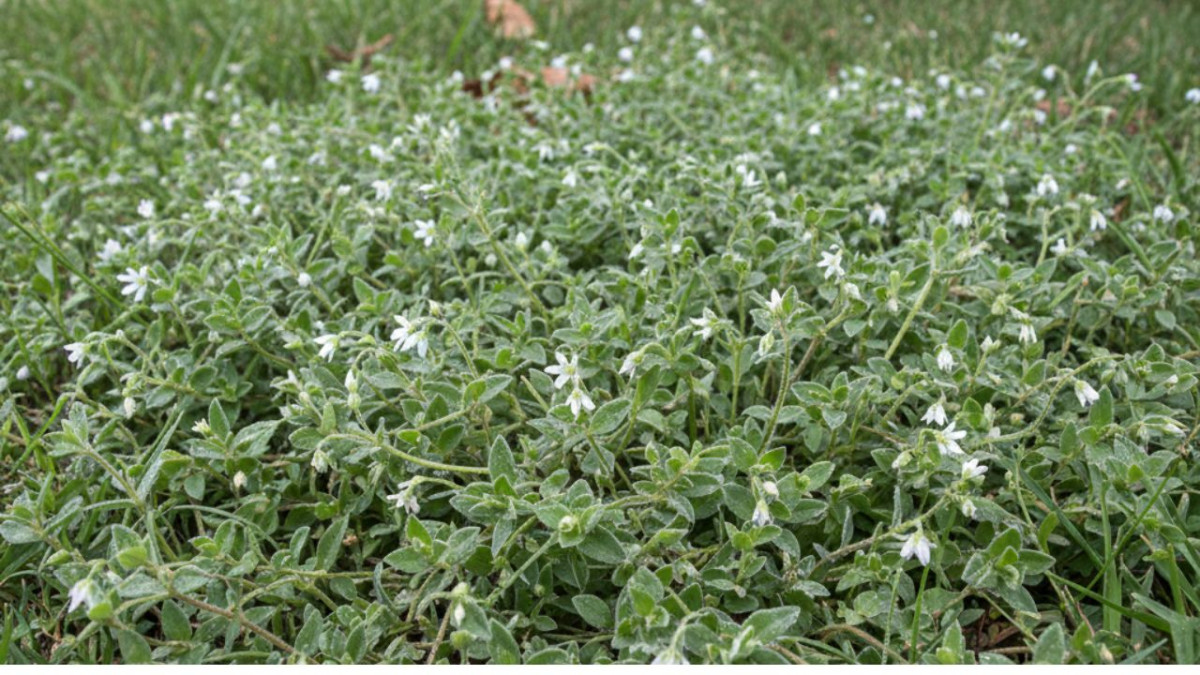
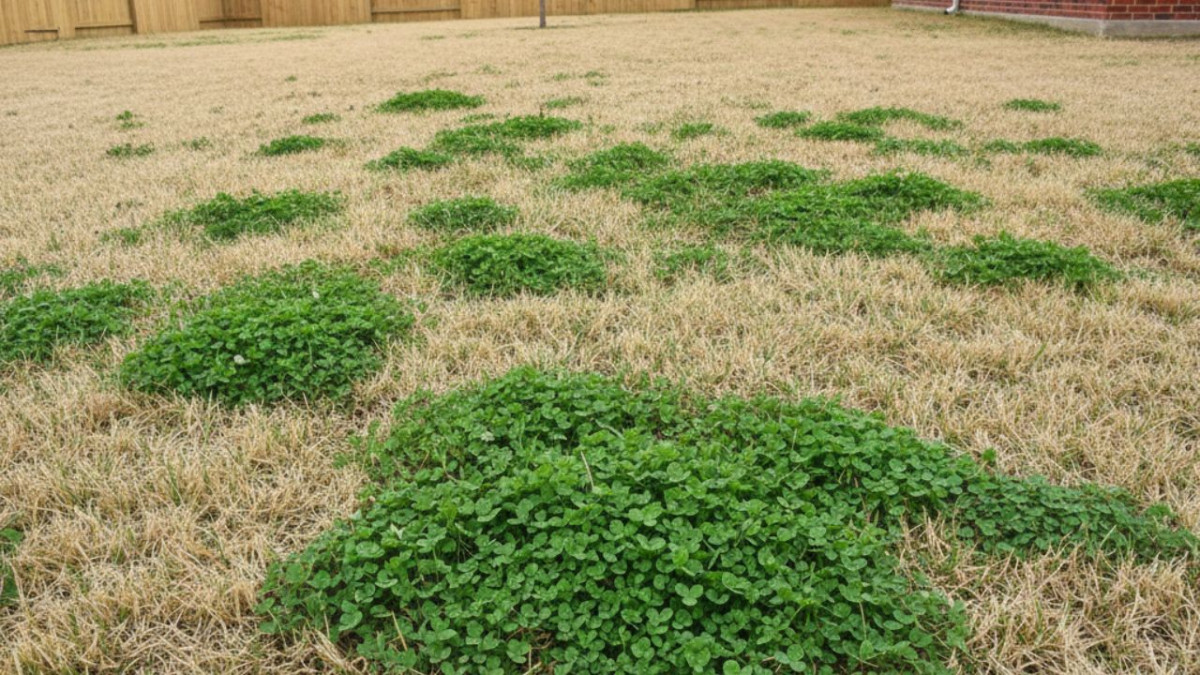
The six most common winter weeds in Georgetown, Liberty Hill, and Leander include chickweed, which forms fuzzy mats in moist areas. Clover appears as three-leafed clusters, especially in nutrient-poor soil. Henbit displays reddish-tinged leaves on upright stems. Bittercress creates delicate rosettes close to the ground. Dandelions persist with deep taproots. Speedwell creeps horizontally and roots easily at stem nodes. Each one thrives in the conditions Central Texas lawns face right now.
Identifying which weeds are present in your lawn is important because treatment approaches vary. Chickweed responds well to post-emergent herbicides but requires proper application timing. Clover often indicates soil fertility issues that need addressing alongside weed control. Henbit is particularly aggressive because it flowers early in the season. Dandelions require removal of the entire taproot or persistent herbicide application. Speedwell is difficult to control once established because it spreads by both seed and stem fragments. Understanding what you’re dealing with determines the most effective response.
How Winter Weed Control Works
Effective winter weed management requires understanding that different weeds respond to different treatment approaches. Timing of application is critical. Post-emergent herbicides target weeds already established in the lawn. Pre-emergent products prevent new weed seeds from germinating. Most effective control programs combine both strategies, starting now when weeds are actively growing and continuing through January and February to prevent new germination.
Hand-pulling works for isolated plants if the entire root system is removed, but it’s not a practical solution for widespread infestations. Many winter weeds like dandelions have deep taproots that break during pulling, leaving pieces behind to regrow. Homeowners often discover that treating one area doesn’t prevent new growth elsewhere, and products chosen incorrectly can damage dormant grass.
Professional weed control identifies exactly what’s growing in a lawn, applies appropriate products at the right time, and follows up strategically through the winter months. This approach addresses current weed pressure while preventing the next generation from establishing. Beyond herbicide application, professional assessment also considers overall lawn health. Thin or weak lawns are defenseless against weed invasion. Thick, healthy grass naturally resists weed establishment, which is why consistent lawn care throughout the season matters.
Treatment timing is critical because winter weeds are at different growth stages depending on when they germinated. Early-germinated plants are more established and may require different application rates or products than newly emerged weeds. Weather conditions also affect herbicide effectiveness. Application on dry days produces better results than on wet or rainy days. Temperature matters too. Some herbicides work best when applied during warming trends, while others are more effective in cooler conditions. These technical details are why professional evaluation and application produces better results than DIY approaches.
What Happens Without Intervention
Winter weeds that aren’t treated will set seed by early spring, creating germination pressure throughout the growing season. When spring arrives and cool-season grass wakes up to grow again, it won’t be growing into an empty landscape. It will be competing with established weed pressure and thousands of new seedlings trying to germinate. This competition weakens grass growth heading into summer stress, when heat and drought pressure arrive.
A lawn that’s been battling winter weed pressure all season is compromised before the real growing season even starts. This weakens grass heading into summer stress and heat, making lawns more vulnerable to damage and disease throughout the year. The difference between a lawn that’s clear of winter weeds in early spring versus one that’s covered in them is the difference between a yard that thrives and one that struggles all season long.
Consider the financial impact as well. A homeowner who addresses winter weeds now spends considerably less on treatment than one who waits until spring. Early intervention costs less because the weed population is smaller and easier to control. Waiting means larger infestations require more intensive and expensive treatment. Beyond direct treatment costs, a lawn weakened by winter weed pressure often needs additional services in spring to recover. This might include aeration, overseeding, fertilization, or disease treatment to address damage caused by weed competition.
The Treatment Window Is Now
December and January represent the ideal treatment window in Central Texas. Treating early prevents seed set and produces the best results before spring. Waiting until spring or hoping winter weeds simply disappear means accepting that you’ll be fighting weed germination all season long. The cost of addressing the problem now through professional evaluation and treatment is substantially less than dealing with established weed pressure throughout spring and summer.
If you’re seeing winter weeds spreading across your Georgetown, Liberty Hill, or Leander lawn, professional evaluation offers the best path forward. Contact Green Dream Lawns to schedule a lawn assessment by calling 737.343.8545 or visiting greendreamlawns.com. You can also find additional information and customer experiences on Google. Understanding your specific lawn conditions and treatment options now ensures your grass emerges healthy in spring.

Contact Information:
Green Dream Lawns
7400 Old 195
Florence, TX 76527
United States
Contact Green Dream Lawns
(737) 343-8545
https://greendreamlawns.com/


Original Source: https://greendreamlawns.com/media-room/