Understanding Asphalt Costs: A Guide to Securing the Most Value for Your Paving Project
Columbia, United States – November 7, 2025 / Advance Paving Co. INC /
Paving Estimates Explained: How to Get the Best Value for Your Asphalt Project
Most paving estimates miss key details that save you thousands. If you’re planning driveway paving or commercial paving, knowing what to look for can protect your budget and your property. This guide breaks down paving estimates and shares how to spot the best paving practices before you hire paving contractors. Learn more about understanding the cost of asphalt paving.
What to Look for in Quality Paving Estimates
Understanding the Basics of Asphalt Paving Quotes
A proper paving estimate should include more than just a bottom-line price. Quality paving contractors provide detailed breakdowns covering materials, labor, equipment, and timeline expectations. When requesting estimates for your asphalt paving project, ask for specifics about the thickness of asphalt layers, type of materials used, and preparation work included. Many homeowners focus solely on price, but the cheapest option often leads to premature repairs. The best estimates explain the entire process from start to finish and account for potential challenges specific to your property. This transparency helps you compare quotes accurately and understand exactly what you’re paying for with your residential paving or commercial paving project.
Red Flags in Paving Estimates
Be cautious of paving estimates that seem unusually low compared to others. This often signals corners will be cut, whether through thinner asphalt application, inferior materials, or skipped preparation steps. Watch for vague language about drainage solutions, as proper water management is crucial for asphalt longevity. Another warning sign is when contractors avoid discussing base preparation in detail. The foundation beneath your asphalt is as important as the paving itself, and skimping here leads to premature cracking and settling. Also question estimates lacking clear timelines or payment schedules. Professional paving services provide structured payment plans tied to project milestones rather than demanding large upfront payments. Finally, be wary of estimates missing warranty information, as reputable asphalt paving companies stand behind their work with clear guarantees.
Questions to Ask Before Hiring Paving Contractors
Qualifications and Experience Questions
Before committing to any paving contractor, inquire about their specific experience with projects similar to yours. Ask how long they’ve specialized in asphalt paving and request to see examples of completed work from the past two years. It’s perfectly reasonable to question whether they have dedicated crews or rely on temporary workers, as crew experience directly impacts quality. Insurance coverage is non-negotiable – verify they carry both liability insurance and workers’ compensation. Ask about their equipment fleet, as well-maintained modern equipment produces better results than outdated machinery. Find out if they manufacture their own asphalt or purchase from suppliers, as this affects both quality control and scheduling flexibility. Finally, question their familiarity with local regulations and permit requirements for paving projects in your specific area.
Project-Specific Questions
For your particular paving project, ask the contractor to explain how they’ll handle any existing drainage issues and what measures they’ll take to prevent future water problems. Request details about the specific asphalt mix they recommend for your application and why it’s appropriate for your climate conditions. Inquire about the thickness of both the base layer and surface course they plan to install. Ask how they’ll address transitions to existing surfaces and structures like garages or walkways. Question their approach to soil stabilization if your property has challenging ground conditions. Request information about traffic control during commercial paving projects or how they’ll manage access to your home during residential paving work. Finally, ask about the expected lifespan of the installation and what asphalt maintenance schedule they recommend to maximize your investment.
Understanding the Complete Paving Process
Preparation and Base Work
The foundation of any successful asphalt paving project lies in thorough preparation work. This phase includes removing existing damaged pavement, evaluating the subgrade soil conditions, and addressing any drainage issues before new materials are placed. Professional paving contractors will excavate to the proper depth, install geotextile fabrics where needed to prevent material mixing, and carefully grade the area to ensure proper water runoff. The aggregate base course must be precisely laid and compacted in layers to create a stable foundation. This preparation typically represents 50-70% of the total project time but determines the longevity of your asphalt surface. When comparing paving estimates, pay special attention to the depth and type of base materials specified, as inadequate base preparation is the leading cause of premature asphalt failures in both residential paving and commercial paving projects.
Installation and Finishing Techniques
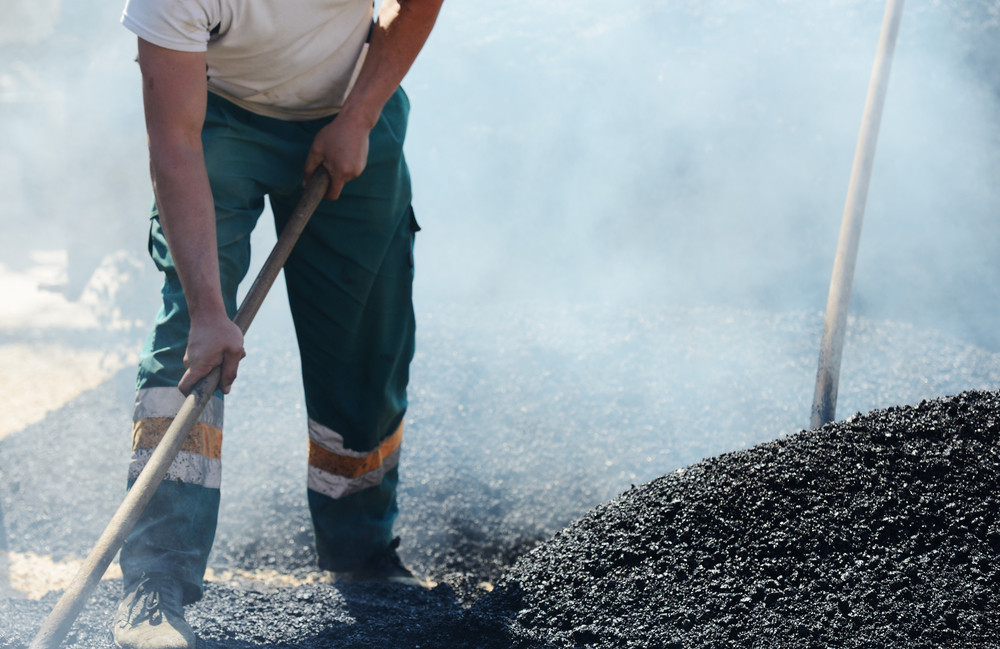
The actual asphalt installation process requires precision in both temperature management and compaction techniques. Professional paving services deliver hot asphalt at specific temperatures and work quickly to spread and compact it before cooling. The paving estimate should specify whether machine or hand installation methods will be used, with machine paving generally producing more consistent results for larger areas. Proper compaction requires multiple passes with specialized rollers to achieve the density necessary for durability. The finishing phase includes careful attention to seams, edges, and transitions to create a smooth, uniform surface. Quality contractors also perform final inspections to verify proper drainage slopes and surface texture. The best paving practices include allowing adequate curing time before opening the surface to traffic, which should be noted in your estimate along with any sealcoating recommendations to protect your new asphalt investment.
Long-Term Value: Maintenance and Warranties
Asphalt Maintenance Planning
A comprehensive paving estimate should include recommendations for ongoing asphalt maintenance to protect your investment. Quality contractors provide guidance on when to schedule the first sealcoating application (typically 6-12 months after installation) and how often to repeat this protective treatment based on your climate and usage patterns. They should explain the importance of prompt crack sealing to prevent water infiltration and outline a schedule for periodic inspections to catch small issues before they become major asphalt repairs. Some paving contractors offer maintenance packages that can be included in your initial agreement, providing scheduled care at predetermined intervals. Understanding the full lifecycle costs of your paving project helps you budget appropriately and extends the functional lifespan of your asphalt surface. When comparing paving estimates, consider how each contractor addresses long-term maintenance needs and whether they offer follow-up services after the initial installation.
Warranty and Guarantee Considerations
The warranty offered with your asphalt paving project speaks volumes about a contractor’s confidence in their work. Professional paving estimates should clearly state warranty terms, including both materials and workmanship coverage. Standard industry warranties range from 1-5 years depending on the application, with commercial paving sometimes carrying different terms than residential paving projects. Ask potential contractors to explain exactly what their warranty covers and, equally important, what might void the warranty. Be wary of verbal promises that aren’t documented in writing. The best contractors provide structured warranties that address specific performance aspects like drainage, surface integrity, and material failure. Some offer tiered warranty options that can be extended with regular maintenance programs. When evaluating paving estimates, consider the warranty not just as insurance against problems but as an indicator of the contractor’s commitment to quality and customer satisfaction in all their paving services.
Making Your Final Decision
When selecting a paving contractor, balance cost considerations with quality indicators found throughout the estimate. The most valuable proposals demonstrate thoroughness in assessment, clarity in communication, and attention to the specific needs of your property. Look for contractors who asked detailed questions during their site visit and reflected those observations in their estimate. Consider their responsiveness during the quote process as an indicator of how they’ll handle communication during the project. While price matters, the structure of the estimate often reveals more about the quality you can expect than the bottom line figure. The best value comes from contractors who provide fair pricing for comprehensive services rather than those offering the lowest bid by omitting crucial steps. By carefully analyzing each paving estimate using the guidelines in this article, you can make an informed choice that results in a durable, attractive asphalt surface that serves your needs for years to come.

Contact Information:
Advance Paving Co. INC
2349 Park Plus Dr
Columbia, TN 38401
United States
Advance Paving
https://advpaving.com/