What Determines How Long Crawlspace Encapsulation Lasts in Your Home?
Martinsville, United States – November 3, 2025 / Indiana Crawl Space Repair /
Ever wondered how long your crawl space encapsulation might last? It’s a common question, and the answer varies. Factors such as the quality of materials used, the expertise in installation, and even the environmental conditions in your area can all play a significant role. Nevertheless, a well-done encapsulation can last from 5 to 20 years. However, there’s a lot more to understand about achieving this longevity. So, why not explore the elements that can extend or shorten your encapsulation’s lifespan?
Key Takeaways
- Crawl space encapsulation can last between 5 to 20 years depending on several factors.
- High-quality materials and professional installation enhance encapsulation’s durability and longevity.
- Environmental conditions like humidity, flooding, and pests can impact the lifespan of the encapsulation.
- Regular maintenance and inspections can extend the lifespan and ensure the encapsulation remains effective.
- Signs of encapsulation failure include increased humidity, visible mold, and rising energy costs.
Understanding Crawl Space Encapsulation
 Crawl space encapsulation may seem like an enigma, but it doesn’t have to be. It’s a process that protects your home from moisture-related issues. The goal is to isolate the crawl space from the outdoor elements, preventing the buildup of humidity and the subsequent growth of mold or mildew.
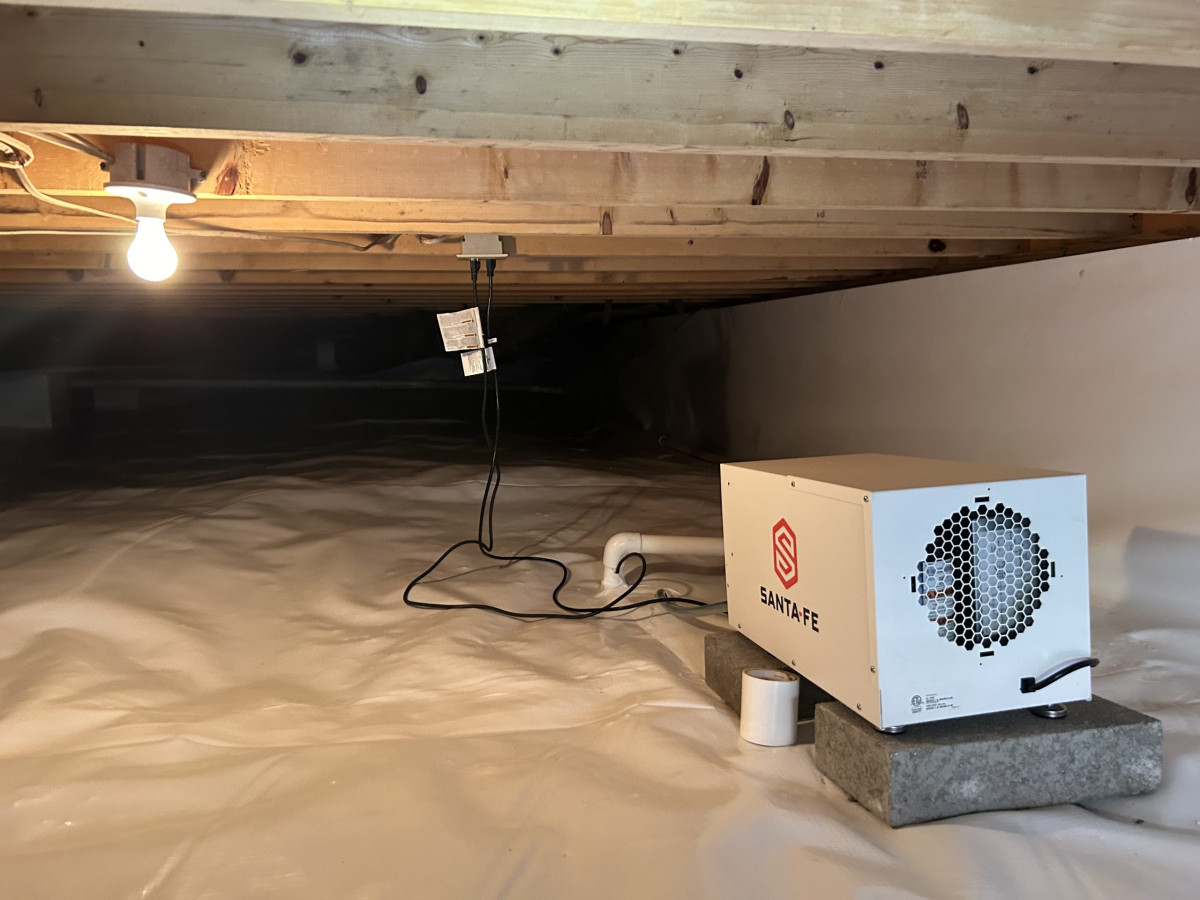
To begin, you’ll need a high-quality vapor barrier. This plastic or foil sheeting is installed on the crawl space floor and walls, creating a moisture-proof seal.
You’ll also need to seal off vents and doors leading to the crawl space. This prevents outside air, which can often be humid, from entering.
Don’t forget about insulation. It’s necessary to regulate the temperature in the crawl space and further prevent moisture accumulation. You can use different types of insulation, but rigid foam board is often the best choice for crawl spaces.
Lastly, consider installing a dehumidifier to control the humidity level. This guarantees that any residual moisture in the air is removed, keeping your crawl space dry and your home free from potential damage.
The Lifespan of Encapsulated Crawl Spaces
Once you’ve completed the encapsulation process, you might wonder how long your hard work will last. The answer isn’t exact, but a well-executed encapsulation can typically last for many years, even decades.
This lifespan, however, isn’t guaranteed. It largely depends on the quality of the materials used and the skill of the professionals you hire. If you’ve cut corners, used subpar materials, or hired inexperienced workers, you could find yourself dealing with issues far sooner.
Here are three points to contemplate in understanding the lifespan of your encapsulated crawl space:
- High-quality vapor barriers: A high-quality vapor barrier is essential. It can withstand the test of time and harsh conditions, giving your encapsulation a longer lifespan.
- Professional installation: Professional installation guarantees the encapsulation is done right, maximizing its lifespan.
- Regular maintenance: Like any part of your home, regular maintenance can extend the lifespan of your encapsulation. This includes checking for tears, leaks, or any signs of wear and tear.
Factors Affecting Encapsulation Durability
While the lifespan of an encapsulated crawl space can be impressive, it’s not solely about the quality of the materials used or the professionalism of the installation. Other factors also come into play.
One key factor is the environment around your home. If you live in a region with high humidity, constant rain, or frequent flooding, your crawl space encapsulation may degrade faster. Water is an enemy to encapsulation, causing it to weaken over time.
Pest infestation can also impact the durability of your encapsulation. Rodents, insects, and other pests can chew through the encapsulation, creating holes and gaps. Regular pest control can help maintain the integrity of your encapsulation.
Maintenance is another vital aspect. Regular inspections can catch any issues early on, before they become major problems. Fixing small tears and damages as soon as they’re noticed can prolong the life of your encapsulation.
Lastly, the use of your crawl space influences its durability. If it’s frequently used for storage, the constant traffic can wear down the encapsulation.
Material Quality and Lifespan
When it comes to crawl space encapsulation, the quality of materials you choose plays a significant role in the project’s lifespan.
It’s essential to understand the durability of these materials and how they contribute to the longevity of encapsulation.
Various factors can affect this lifespan, which we’ll explore in the next section.
Understanding Material Durability
In the domain of crawl space encapsulation, understanding material durability is vital. You see, not all materials are created equal, and the quality of the materials you choose can greatly impact the longevity and effectiveness of your encapsulation project.
When considering the durability of materials, you’ve got to look at their resilience under various conditions. Moisture resistance, for instance, is a key factor. Since crawl spaces are often damp environments, materials used should be able to withstand high humidity levels without succumbing to mold and mildew.
Further, the material’s strength and ability to resist wear and tear is another important aspect. The encapsulation material should be robust enough to withstand foot traffic, changes in temperature, and other physical stresses.
Here’s a quick rundown of what you should keep in mind:
- Look for materials with high moisture resistance.
- Confirm the material has sufficient strength to endure physical stress.
- Check the material’s resistance to temperature fluctuations.
Lifespan of Encapsulation
Now that you’re aware of what to look for in durable materials, let’s consider how this affects the lifespan of your encapsulation. The quality of materials you choose plays a significant role in determining how long your crawl space encapsulation will last.
Superior materials aren’t just about immediate functionality, they’re an investment in longevity. With high-quality materials, you can expect your encapsulation to hold up for a good 20 years or more. That’s two whole decades of protection for your home from moisture, pests, and energy inefficiency!
It’s like having a security blanket that’s woven from the finest threads, giving you peace of mind for years to come.
However, don’t be fooled into thinking that all high-quality materials guarantee a long lifespan. It’s not just about the materials themselves, but also how they’re installed.
Even the best materials can falter if not properly used. So, it’s crucial to confirm that your encapsulation is installed by a professional who knows their stuff.
Factors Affecting Longevity
The longevity of your crawl space encapsulation hinges on a few key factors. Chief among them are the quality of materials used and the lifespan of these materials. Oftentimes, the durability of your encapsulation is directly proportional to the quality and lifespan of the materials used.
High-quality materials tend to last longer and give better results. So, if you’re looking for an encapsulation that will stand the test of time, you can’t afford to skimp on material quality. It’s better to invest in top-grade materials that will provide a long-lasting solution than to opt for subpar materials that will require frequent replacements or repairs.
The lifespan of the materials used is also essential. Materials with a long lifespan will guarantee that your encapsulation lasts longer. As a result, it’s advisable to choose materials known for their durability and long life.
Here are three quick tips to help you guarantee the longevity of your crawl space encapsulation:
- Opt for high-quality materials, even if they’re slightly more expensive.
- Choose materials known for their durability and long lifespan.
- Regularly inspect your encapsulation for any signs of wear and tear, and fix any issues as soon as they arise.
Importance of Professional Installation
You might wonder why you should hire a pro for crawl space encapsulation.
Consider the quality of workmanship, the potential for extended lifespan of the encapsulation, and the long-term cost effectiveness.
We’re about to explore why all these points make professional installation an important consideration.
Quality of Workmanship
Entrusting your crawl space encapsulation to professionals can make a significant difference regarding quality and longevity. Experts bring a level of precision and attention to detail that you simply can’t replicate if you’re not trained in the field. They know the best materials to use, the most effective techniques, and how to guarantee that the job is done right the first time.
Quality workmanship comes from years of experience and rigorous training. Professionals are well-versed in the nuances of crawl space encapsulation, knowing how to navigate potential pitfalls and problems that might arise. They’re equipped to handle unexpected issues and can adapt their approach to suit the specific conditions of your property.
Here are some key factors to keep in mind:
- Professionals use high-quality materials that are designed to last, guaranteeing that your encapsulation stands the test of time.
- Expert installers pay attention to every detail, from the initial assessment to the final touches, which contributes to the overall longevity of the encapsulation.
- A professional job means less worry for you. You can trust that the work will be done correctly and efficiently, saving you time, money, and stress in the long run.
Lifespan Extension
Opting for professional installation of your crawl space encapsulation greatly extends its lifespan. How? By ensuring correct and quality installation.
You see, professionals are trained to make sure every inch of your crawl space is properly sealed, leaving no room for moisture or pests to sneak in. This precision isn’t just about doing a job well. It’s about making sure your investment lasts as long as possible.
But it’s not just about the installation. Professionals also know the right materials to use.
They’ll choose a vapor barrier that’s both durable and suited to your specific crawl space. That means it’ll last longer, resisting tear and wear. It’s like the difference between a suit tailored to fit you perfectly, versus one bought off the rack. The tailored suit will always outlast the other.
Encapsulation Maintenance Tips
Keeping your crawl space encapsulation in top shape doesn’t have to be an intimidating task. Regular maintenance can guarantee it lasts for many years, saving you money and hassle in the long run. Here are some tips to help you maintain your encapsulated crawl space effectively.
Firstly, keep an eye out for any signs of water leakage. It’s essential to regularly inspect the area around your crawl space for any signs of moisture. If you notice any dampness, it could be a sign that your encapsulation isn’t working as effectively as it should.
Secondly, check the condition of your vapor barrier regularly. This barrier is fundamental to the effectiveness of your crawl space encapsulation. Over time, it can become worn or damaged, which could lead to problems. If you notice any signs of deterioration, you’ll need to address it immediately.
Repairing Your Encapsulated Crawl Space
When your encapsulated crawl space shows signs of damage, it’s crucial to address the issue promptly.
Don’t let small problems spiral into costly repairs. Instead, act quickly to minimize damage and extend the life of your encapsulation.
Firstly, identify the signs of damage. Look for condensation, mold growth, or tears in the vapor barrier.
These are clear indications that your encapsulation needs repair.
Bring in a professional to assess the damage. They’ll be able to pinpoint the problem and suggest the best course of action.
Sometimes, you might need to replace the entire vapor barrier, but often, smaller, localized repairs can do the trick.
Here’s a brief rundown of what a repair process might involve:
- Removing and replacing damaged sections of the vapor barrier
- Treating and cleaning any mold growth
- Sealing tears or holes with specialized tape.
Encapsulation: Cost Vs Longevity
You may be wondering about the trade-off between the cost of crawl space encapsulation and how long it’ll last.
It’s time to examine the expense and analyze whether it’s a worthy long-term investment for your home.
Investment Analysis: Encapsulation Longevity
Understanding the longevity of crawl space encapsulation versus its initial cost is vital for making an informed decision. This is a long-term investment, so you need to know what you’re getting for your money.
It’s not just about the immediate benefits, but also the long-term savings and value it can add to your property.
So, what factors influence the longevity of the encapsulation? Here are a few key elements:
- Quality of Materials: The materials used in the encapsulation process directly impact how long it lasts. High-quality, durable materials can withstand harsh conditions and last for many years.
- Installation Process: Proper installation is essential to guarantee longevity. If corners are cut during installation, it won’t last as long.
- Maintenance: Regular maintenance helps prolong the lifespan of the encapsulation. This includes checking for damage regularly and making necessary repairs.
Understanding Encapsulation Expense
Delving into the financial aspect, it’s essential to weigh the cost of encapsulation against its longevity. You might be looking at the initial expense and questioning whether it’s worth it. Let’s break it down for you.
Encapsulation costs can range widely, depending on factors such as the size of your crawl space, the materials used, and your geographical location. On average, you might spend anywhere from $1,500 to $15,000.
It’s a significant investment, sure, but consider the longevity. A well-done encapsulation job can last for decades. If you’re thinking long-term, that’s years of improved air quality, enhanced energy efficiency, and protection against pests and moisture damage.
When you break down the cost over the lifespan of the encapsulation, it’s a fraction of the upfront expense.
Warning Signs of Encapsulation Failure
 Over time, even the best encapsulation jobs may start to fail, posing a significant threat to your crawl space.
Though a well-done encapsulation can last many years, it’s essential to recognize the warning signs of failure early to mitigate potential damage and costs.
You might first notice an increase in humidity levels in your home. This could be a sign that the vapor barrier in the crawl space is no longer functioning correctly.
You should also be on the lookout for rising energy bills. An encapsulated crawl space contributes to your home’s energy efficiency, so a sudden spike might mean there’s something wrong.
Here are some other warning signs that you shouldn’t ignore:
- A musty or moldy smell: This could indicate moisture buildup, leading to mold growth.
- Pest infestations: If you’re dealing with a sudden pest problem, it might be because of an encapsulation failure.
- Water pooling: This is a clear sign of a breach in the crawl space’s encapsulation.

Contact Information:
Indiana Crawl Space Repair
1759 N Blue Bluff Rd
Martinsville, IN 46151
United States
Larry Ralph
(317) 893-7016
https://www.indianacrawlspacerepair.com/