Climate and Foundation Damage
Cherry Hill, United States – November 3, 2025 / Jeffries Basement Waterproofing /
Have you ever considered how the climate around your home might be affecting the stability of your basement and foundation? Changes in weather patterns, rainfall intensity, and temperature fluctuations have more of an impact than you might think. They can lead to soil shifts, cracks, and even flooding in your basement, causing significant structural damage. But what if you could better understand these effects and learn how to mitigate them? It’s time to explore how climate influences your home’s foundation and what you can do to safeguard your home.
Key Takeaways
- Climate conditions such as heavy rainfall and temperature fluctuations can cause soil instability, leading to foundation damage.
- Soil expansion due to moisture absorption or contraction from drought can strain your basement and foundation.
- Temperature extremes can cause foundation materials to expand and contract, resulting in potential structural damage.
- Long-term climate impacts, such as soil erosion and shifts in humidity, can lead to ongoing foundation and basement issues.
- Proactive measures, like regular inspections, efficient drainage systems, and soil stabilization, can mitigate climate-induced damage to your basement and foundation.
Understanding Climate’s Impact
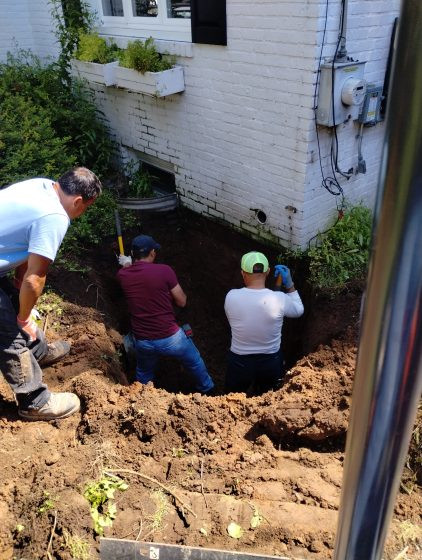
Your home’s foundation is significantly impacted by the climate in your region. It’s not just about the elements you see; it’s also about what’s happening beneath the surface. Temperature changes, rainfall, and humidity all play a part.
But one of the biggest culprits? Soil expansion.
When soil absorbs water, it expands. As it dries, it contracts. This constant push and pull can wreak havoc on your home’s foundation. It’s why moisture control is so important. Too much moisture, and the soil can swell and push against your foundation, causing cracks and instability.
Too little, and the soil can shrink away, leaving your foundation unsupported.
You can’t change the climate in your region, but you can take steps to protect your home’s foundation. Proper drainage systems, landscaping techniques, and even the type of plants you choose can all help control soil expansion and moisture levels.
Foundations: The Weather Connection
The weather has a direct line to the health of your home’s foundation. Depending on foundation types, certain weather conditions can impact soil stability, ultimately threatening the structural integrity of your home. For instance, excessive rainfall can lead to waterlogged soil which, without proper drainage systems, can cause your foundation to shift or crack.
Moisture control is crucial to prevent such damage. It’s vital to maintain your home’s drainage systems and implement effective insulation techniques to keep water from seeping into your foundation. The construction materials used in your home’s foundation also play a significant role in its resilience to weather. Some materials are more resistant to moisture and temperature changes, enhancing the overall durability of your foundation.
Seasonal maintenance is another aspect to consider for foundation health. Regular checks and timely foundation repair can save you from costly damages in the long run.
Adapting your home’s foundation to the local climate is also a smart move. Climate adaptation strategies, such as adjusting insulation or altering the landscape around your home, can significantly improve the longevity of your foundation.
Temperature Fluctuations’ Role
In spite of your best efforts, temperature fluctuations can still wreak havoc on your home’s foundation. Both temperature extremes and humidity variations can lead to significant problems.
With temperature extremes, your foundation materials expand and contract. When it’s hot, they expand, and when it’s cold, they contract. This constant shifting can cause cracks to form over time.
Humidity variations, too, play a significant role. High humidity can lead to excess moisture, which can weaken your foundation over time.
Consider these points:
- High temperatures can cause the soil around your foundation to dry and shrink, leading to instability.
- Cold temperatures can cause soil to freeze and expand, putting pressure on your foundation.
- High humidity can lead to condensation on your basement walls, potentially causing damage.
- Low humidity, on the other hand, can make your foundation materials brittle and more susceptible to cracking.
Rainfall and Basement Flooding
Rainfall, especially heavy or prolonged, poses a serious threat to your basement and foundation. Water accumulation increases pressure on your foundation walls, leading to cracks and leaks. This is where rainwater management becomes crucial.
Implementing efficient systems like gutters and downspouts, grading your landscape away from your home, and maintaining a sump pump can divert rainwater, reducing your basement’s flood risk. Also, consider investing in flood insurance for extra protection.
Here’s a simple table to understand the potential problems and solutions:
| Problem | Cause | Solution |
|---|---|---|
| Water Accumulation | Inefficient rainwater management | Install gutters and downspouts |
| Foundation Cracks | High pressure from water build-up | Grade landscape away from home |
| Basement Flooding | Seepage through cracks | Maintain a sump pump |
| Unexpected Expenses | Damage due to flooding | Secure flood insurance |
How Drought Impacts Foundations
While managing rainfall is important to protect your basement and foundation, too little water also poses a significant threat.
Drought can lead to foundation settlement, where your home sinks into the ground. Lack of soil moisture dries out the soil, causing it to contract, which can lead to stress cracks in your foundation.
Drought resilience is key in maintaining foundation stability and structural integrity. Here are four ways to achieve this:
- Monitor soil moisture levels: Dry soil can destabilize your foundation. Regularly check the soil around your home and consider adding moisture if it’s too dry.
- Landscape drainage: Proper drainage can help maintain soil moisture levels and prevent dry soil from affecting your foundation.
- Monitor groundwater levels: Lower groundwater levels during a drought can lead to foundation settlement. Keep an eye on these levels and consider foundation repair if necessary.
- Look for stress cracks: Regularly inspect your foundation for stress cracks, which can indicate foundation instability.
Climate Change and Structural Damage
Climate change is undoubtedly creeping into our daily lives and your home’s structure is no exception. As the climate continues to fluctuate, the structural integrity of your home, particularly your basement and foundation, might be at risk.
Shifts in weather patterns can lead to periods of heavy rainfall followed by prolonged drought. These fluctuations lead to soil expansion and contraction around your home’s foundation. This constant movement can result in cracks, leaks, and ultimately, structural damage.
Furthermore, climate change intensifies the frequency and severity of extreme weather events. From flash floods to hurricanes, these weather occurrences can overwhelm your home’s climate resilience, leaving it vulnerable to serious damage.
It’s not just about immediate destruction. The real issue is the gradual erosion of your home’s structural integrity caused by these changing climatic conditions. Even if your home withstands a storm, the constant battering may weaken its foundation over time.
To ensure your home’s longevity, it’s essential to understand the impacts of climate change on its structural components. By doing so, you’ll be well-equipped to take necessary steps to mitigate these risks, safeguarding your home for the future.
Preparing for Seasonal Changes
As the seasons shift, so do the challenges that your home’s foundation and basement face. Seasonal maintenance becomes crucial to protect your house from the fluctuating temperature adjustments. Without a proper plan, the changes could lead to serious damage.
Seasonal changes can affect your basement and foundation in many ways. Here are a few key points to consider:
- Temperature fluctuations: Rapid temperature adjustments can cause your foundation to expand and contract, possibly leading to cracks.
- Increased moisture: Rain in spring and fall can increase the moisture levels in your basement, creating a conducive environment for mold.
- Frozen ground: In winter, the ground freezes and expands, putting pressure on your foundation.
- Drought conditions: Contrarily, summer can bring drought, causing the soil to shrink away from your foundation, leading to instability.
You can’t control the weather, but you can prepare your home for it. Regular seasonal maintenance helps mitigate these effects.
Understanding the seasonal changes and how they affect your basement and foundation isn’t just smart—it’s essential. Stay ahead of the weather and keep your home safe and secure.
Protective Measures for Homeowners
Now that you’re aware of how the climate impacts your basement and foundation, let’s look at what you can do to safeguard your home.
Basement waterproofing and foundation damage prevention are two key protective measures you can take.
We’ll explore these strategies next, showing you how to effectively secure your home against climate-related damage.
Implementing Basement Waterproofing
In light of climate change, protecting your beloved home’s basement through waterproofing has become more important than ever. Implementing basement waterproofing involves a combination of basement drainage, the use of waterproofing materials, and moisture control to reduce humidity levels.
One of the key aspects of basement waterproofing is foundation sealing. This helps in keeping excess water at bay and prevents it from seeping into your basement. Meanwhile, sump pumps play a crucial role in redirecting water away from your home, especially during heavy rainfall.
The creation of water barriers through soil grading is another effective method of basement waterproofing. Meanwhile, proper ventilation methods ensure that any trapped moisture or high humidity levels are properly controlled, thus preventing dampness and mold growth.
Here are some more aspects to consider:
- Choosing the right waterproofing materials that suit your house’s specific needs
- Regularly checking and maintaining your sump pumps to ensure they’re working efficiently
- Learning about different repair techniques in case of any minor leaks or damages
- Understanding the importance of soil grading and how it affects water flow around your home
Foundation Damage Prevention
Without a doubt, taking steps to prevent foundation damage is of paramount importance to every homeowner. Your home is your fortress, and its foundation is its backbone. That’s why regular foundation inspection isn’t just a good idea, it’s a necessity.
Think of it as a health check-up for your house. A professional inspection can identify potential problems before they become major issues and provide you with valuable advice on prevention strategies. It’s an investment that can save you a lot of time, stress, and money in the long run.
Soil stabilization is another key factor in preventing foundation damage. You’ve probably noticed how the soil around your home expands when it’s wet and contracts when it’s dry.
These shifts, however minor, can put pressure on your foundation, leading to cracks and other types of damage. By stabilizing the soil, you’re essentially creating a more stable environment for your foundation.
Long-term Effects of Climate
Over time, your basement and foundation bear the brunt of climate changes. The long-term effects of climate on your home’s structure are insidious, slowly eroding the groundwork of your house. Factors such as soil erosion, fluctuating humidity levels, and temperature extremes play a significant role in this slow deterioration.
Freeze thaw cycles are especially taxing on your foundation. As the ground freezes and thaws, it expands and contracts. This constant movement can cause cracks to form in your foundation. Moisture retention in the soil and groundwater fluctuations, often triggered by seasonal shifts, can further exacerbate these issues.
Understanding and monitoring these variables is vital for the structural integrity of your home. Long-term planning and climate modeling can help you anticipate and prepare for potential issues.
To recap, the long-term effects of climate on your basement and foundation include:
- Soil erosion and shifting, leading to foundation instability
- Temperature extremes causing materials to expand and contract
- Freeze thaw cycles leading to cracks and structural damage
- Changes in humidity and groundwater levels causing moisture-related issues
Mitigating Climate-Related Damage
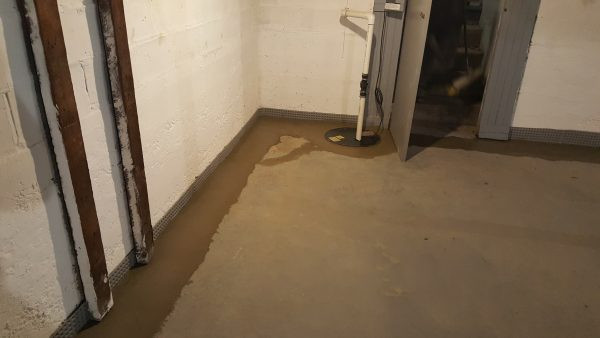
While it may seem like the climate’s effects on your home are inevitable, there are steps you can take to mitigate some of the damage.
Begin with moisture management, as too much moisture can weaken your foundation. Consider investing in a good drainage system to keep water away from your home’s base.
Insulation solutions and ventilation strategies can help maintain temperature regulation in your basement, reducing the risk of damage from extreme temperatures.
Don’t underestimate the power of proper insulation it’s not just about keeping you warm or cool, but also about protecting your home’s structure.
Next, focus on your outside space. Effective landscaping techniques can aid in soil stabilization, reducing the likelihood of soil shifting that could jeopardize your foundation.
Plant trees strategically and consider the slope of your yard in your design.
Frequently Asked Questions
What Materials Are Best for Building a Climate-Resistant Basement Foundation?
When choosing materials for a climate-resistant basement foundation, you’ll want to consider concrete or stone due to their durability.
However, it’s not just about the materials. It’s also crucial to apply waterproofing techniques to prevent moisture damage.
So, don’t overlook the importance of sealants and drainage systems.
Can Climate Changes Also Affect the Insulation of My Basement?
Absolutely, climate changes can significantly impact the insulation of your basement.
Fluctuations in temperature and humidity can lead to insulation degradation. It’s crucial to maintain proper moisture control to protect your basement’s insulation.
Rapid weather changes can cause condensation, potentially damaging your insulation and promoting mold growth.
A well-insulated basement can help maintain a stable indoor temperature, reducing energy costs and enhancing your home’s comfort.
What Insurance Options Are Available for Climate-Related Foundation Damage?
You’ve got some options when it comes to insuring your home against climate-related foundation damage.
Flood insurance is a must if you’re in a flood-prone area. It’ll cover water damage that can weaken your foundation.
Earthquake coverage is another option, especially if you’re in an area with seismic activity. It’ll help you deal with the repair costs after an earthquake.
It’s crucial to protect your home from these potentially devastating events.
How Can Landscaping Help in Mitigating Climate-Related Foundation Issues?
Landscaping can significantly help mitigate foundation issues.
Strategic placement of plants can improve soil stability, preventing erosion and ground movement.
Additionally, smart landscaping includes drainage solutions. By directing water away from your home, you’re reducing the risk of water seeping into your basement and causing foundation damage.
Are Older Homes More Susceptible to Climate-Induced Foundation Problems?
Yes, older homes are often more susceptible to climate-induced foundation problems.
Over time, your home’s foundation can deteriorate due to extreme weather conditions. This leads to moisture intrusion, which can further weaken the structure.
It’s essential to regularly check your foundation for any signs of damage and take immediate action to prevent any serious issues.
Always remember, prevention is better than costly repairs.
So, you see, the climate greatly impacts your basement and foundation. Excessive rain can lead to cracks, while drought can leave your foundation unsupported. Temperature changes can also cause problems. But don’t worry! By regularly monitoring soil conditions, preparing for seasonal changes, and implementing effective drainage systems, you can protect your home’s structural integrity and mitigate any climate-related damage. Remember, a little preventative care can save you a lot of trouble down the line.
Contact Information:
Jeffries Basement Waterproofing
1820 Chapel Ave West Suite 300
Cherry Hill, NJ 08002
United States
Jermaine Jeffries
(856) 830-5708
https://ihatemywetbasement.com/