Late October Represents Final Window Before Freeze Damage Risks Increase Significantly
Toledo, United States – October 30, 2025 / Rock Solid Landscape /
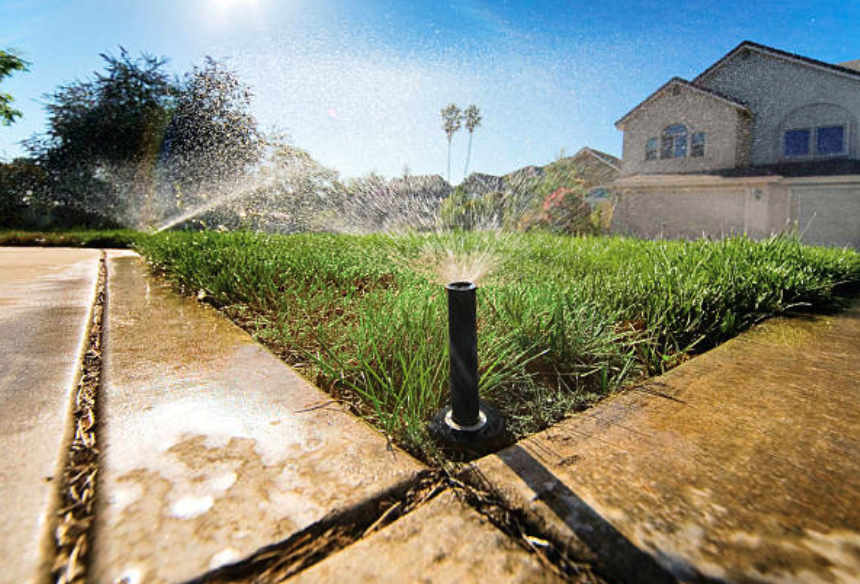
The window for protecting irrigation systems from freeze damage narrows rapidly as October progresses across the Toledo area. Property owners who invested in underground sprinkler systems face a critical deadline to complete winterization procedures before freezing temperatures cause extensive damage to pipes, valves, and sprinkler components. Fall preparation tasks include irrigation winterization as an essential step for homeowners throughout Toledo, Maumee, Perrysburg, Sylvania, and surrounding Northwest Ohio communities.
Historical weather data for the region shows that sustained freezing temperatures typically arrive between late October and mid November. Once temperatures drop below 32 degrees Fahrenheit, water remaining in irrigation system components begins freezing and expanding. This expansion creates tremendous pressure that cracks pipes, splits valve bodies, and destroys sprinkler heads. The resulting damage often remains hidden underground until systems are reactivated the following spring, when leaks and failures become apparent.
Winterization services utilize compressed air equipment to force all water from irrigation system components before freeze events occur. This thorough drainage process protects investments and prevents repair costs that can easily reach thousands of dollars when extensive freeze damage occurs. The process addresses every vulnerable component, from mainline pipes to individual sprinkler heads, ensuring complete protection throughout the winter months.
How Professional Winterization Works
Professional winterization follows a systematic process designed to remove all water from irrigation systems. The procedure begins with complete system shutdown, including water supply isolation and controller deactivation. Technicians locate and open manual drain valves to release standing water from accessible locations throughout the system.
The critical step involves using industrial air compressors to force water from pipes, valves, and sprinkler heads through zone-by-zone activation. These compressors deliver sustained high-volume airflow that pushes water through the system more effectively than any gravity drainage method. Technicians connect compressors to irrigation systems through appropriate fittings designed for this specific purpose.
Each irrigation zone receives individual attention during the blow-out process. Technicians activate zones sequentially, carefully monitoring sprinkler heads as compressed air purges water from the lines. The process continues until only air emits from sprinkler heads, indicating complete water removal from that zone. Multiple cycles through all zones ensure thorough drainage from every component.
Proper pressure regulation throughout this process protects system components from damage. Excessive air pressure can harm sprinkler head seals, crack valve diaphragms, or separate pipe joints. Technicians maintain appropriate pressure levels that balance effective water removal against potential equipment damage, adjusting pressure based on system type and component specifications.
Backflow preventers require special attention due to their complex internal structures. These assemblies often include dedicated drain valves that must be manually opened. Some designs benefit from complete removal and indoor storage during winter months, particularly for above-ground installations vulnerable to temperature extremes. Technicians familiar with various backflow preventer models ensure proper winterization procedures for each type.
Controller adjustment or shutdown prevents accidental system activation during winter months. Technicians either disconnect power, switch controllers to rain mode, or adjust programming to prevent watering schedules from triggering. This final step prevents damage that could occur if controllers attempted to activate systems while winterized, which would introduce air into pipes and potentially damage pump systems.
Regional Knowledge and Proper Equipment
Service providers in the Toledo area bring essential understanding of regional climate patterns and local system designs. Experience with area soil conditions, freeze depth patterns, and common installation practices informs effective winterization approaches. Rock Solid Landscape has provided services throughout Northwest Ohio since 2015, developing comprehensive understanding of installation types common across residential properties in the region.
Industrial air compressors capable of sustained high-volume airflow distinguish professional services from homeowner attempts. Standard home air compressors lack the capacity to effectively purge water from irrigation systems, often running continuously without achieving complete drainage. Professional equipment includes appropriate fittings, pressure regulation tools, and safety devices that protect both technicians and system components during the winterization process.
Proper insurance coverage and liability protection distinguish professional service providers from unlicensed operators. Business insurance protects property owners if equipment damage or personal injury occurs during winterization procedures, providing peace of mind that any unexpected issues will be addressed appropriately.
Understanding System Vulnerabilities
Different irrigation system components face varying levels of freeze risk. PVC pipes, the most common material in residential installations, become brittle in cold temperatures and crack easily when ice forms inside. Valve boxes located below grade may fill with water from rain or snowmelt, submerging valve assemblies in freezing conditions even when mainline pipes remain dry.
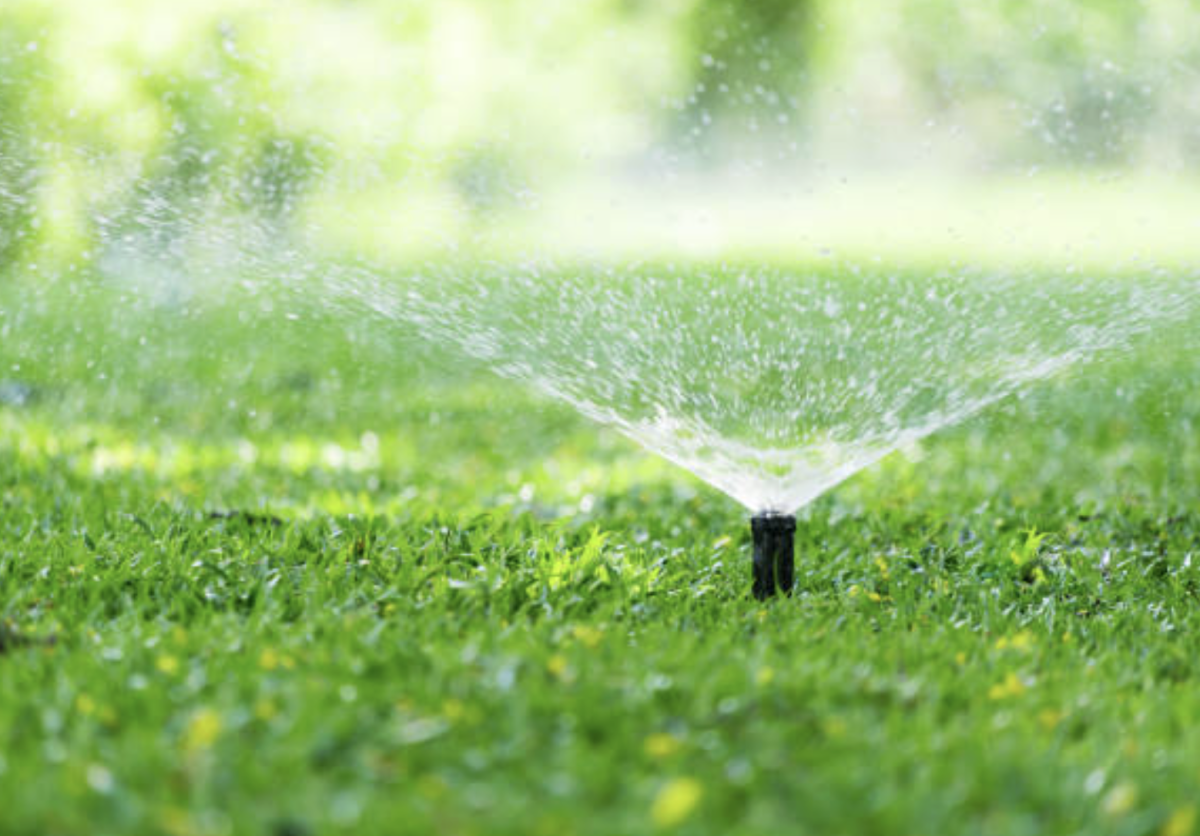
Sprinkler heads develop hairline cracks that remain invisible until spring startup occurs. These cracks leak profusely when water pressure returns, wasting water and potentially causing landscape erosion. Pop-up mechanisms can freeze in extended positions, preventing proper retraction and creating tripping hazards or mowing obstacles.
Drip irrigation systems present unique winterization challenges due to small-diameter tubing and emitters that easily trap water. Professional irrigation system services address the specific requirements of different installation types, ensuring complete protection for both spray systems and drip installations.
Systems equipped with automatic drain valves theoretically self-drain when pressure drops. However, these valves can malfunction, become clogged with debris, or fail to drain completely depending on system design and terrain. Relying solely on automatic drain valves without professional verification creates unnecessary risk of freeze damage.
Optimal Timing for Winterization
Scheduling winterization requires careful balance between competing factors. Completing the process too early means plants may still need irrigation during extended warm fall weather. Waiting too long risks freeze damage from unexpected cold snaps that can arrive suddenly across Northwest Ohio.
Most professionals recommend winterizing when overnight temperatures consistently approach freezing, typically late October in the Toledo area. This timing ensures vegetation receives adequate water throughout the growing season while protecting systems before damaging freezes occur. Extended weather forecasts help identify appropriate timing windows, though acting sooner rather than later generally provides better protection.
The narrow window between optimal lawn care timing and freeze risk makes October particularly critical for irrigation system maintenance. Homeowners should monitor weather patterns closely and schedule service when extended forecasts show temperatures dropping toward freezing levels.
Schedule Winterization Service Now
The remaining window for irrigation system winterization continues shrinking as temperatures drop across Northwest Ohio. Rock Solid Landscape provides winterization services throughout Toledo, Maumee, Perrysburg, Sylvania, Wauseon, and surrounding communities. Call 419-330-1610 to schedule winterization service before freezing temperatures create expensive damage to irrigation system investments.

Contact Information:
Rock Solid Landscape
5242 Angola Rd #45
Toledo, OH 43615
United States
Contact Rock Solid
https://myrocksolidlandscape.com/

Original Source: https://myrocksolidlandscape.com/media-room-toledo/