January Home Protection: Essential Winter Pest Control Advice
Effingham, United States – January 20, 2025 / Southern Perimeter LLC /
Winter brings cozy nights, warm drinks, and unfortunately, unwanted guests in the form of pests seeking shelter from the cold. As temperatures drop, insects and rodents often look for warmth and food inside our homes. Without taking preventive measures, these pests can become more than just a nuisance—they can damage your property and pose health risks to your family. In this guide, we’ll explore essential winter pest control tips to help you keep your home safe and pest-free this January.
Why Do Pests Invade During Winter?
Pests are driven indoors during winter by necessity, not choice. Cold weather makes it harder for them to find food and survive in the wild, so your warm home becomes an inviting refuge. Cracks, gaps, and openings in your home act as doorways for pests like mice, rats, cockroaches, and spiders. Once inside, they quickly settle in, multiply, and create problems. Understanding this behavior is key to combating their intrusion.
Seal All Entry Points
The first and most important step in winter pest control is sealing entry points. Pests can squeeze through surprisingly small spaces—mice, for instance, can fit through a gap as small as a dime. Inspect your home thoroughly for cracks, holes, or openings in walls, doors, and windows.
-
Use caulk or weatherstripping to seal gaps around doors and windows.
-
Install door sweeps to prevent pests from sneaking in under doors.
-
Repair damaged screens on windows and vents to block flying insects.
Pay special attention to areas where pipes or cables enter your home, as these often have gaps that pests can exploit. A simple weekend inspection can significantly reduce the chances of infestation.
Keep Your Home Clean and Clutter-Free
Pests are not just looking for warmth—they’re also looking for food and water. A clean home is less inviting to unwanted visitors. Even the smallest crumbs or spills can attract ants, roaches, and rodents.
-
Store food in airtight containers to prevent pests from accessing it.
-
Vacuum regularly, especially in hard-to-reach places like under furniture and appliances.
-
Clean up spills immediately and avoid leaving dirty dishes overnight.
Additionally, cluttered areas provide hiding spots for pests. Basements, attics, and storage rooms often become breeding grounds. Organize these spaces and get rid of items you no longer need.
Properly Store Firewood
If you use firewood during winter, it’s crucial to store it correctly. Firewood can harbor pests like termites, spiders, and rodents that may find their way into your home.
-
Keep firewood stacked at least 20 feet away from your home.
-
Elevate it off the ground to reduce moisture and make it less attractive to pests.
-
Bring in only as much firewood as you plan to use immediately.
By following these steps, you can enjoy your cozy fireplace without inadvertently inviting pests into your home.
Maintain Your Yard
Your yard plays a significant role in keeping pests at bay during winter. Overgrown vegetation, piles of leaves, and debris create ideal habitats for rodents and insects.
-
Trim bushes and trees so they don’t touch your house and act as bridges for pests.
-
Remove leaf piles, fallen branches, and other debris that can serve as shelter.
-
Keep your gutters clean to prevent standing water, which attracts mosquitoes even during cooler months.
A well-maintained yard serves as the first line of defense in keeping pests out of your home.
Inspect and Maintain Your HVAC System
Your heating system can inadvertently invite pests if it’s not properly maintained. Warm, hidden areas like vents, chimneys, and basements can become cozy nests for rodents and other pests.
-
Inspect ducts and vents for signs of damage or openings.
-
Install mesh screens over chimneys to block entry.
-
Regularly change filters to improve air quality and prevent pests from settling in.
Hiring a professional to service your HVAC system annually is a good investment. They’ll not only optimize your heating system but also ensure it doesn’t become a pest magnet.
Set Traps and Baits
Even with preventive measures, some pests may still find their way inside. Setting traps and baits can help you address small infestations before they grow into bigger problems.
-
Use snap traps or glue traps for rodents.
-
Place bait stations in areas where you’ve noticed pest activity, such as basements or attics.
Ensure traps and baits are kept out of reach of children and pets. Regularly check and reset them as needed to stay ahead of any potential infestation.
Call a Professional Exterminator
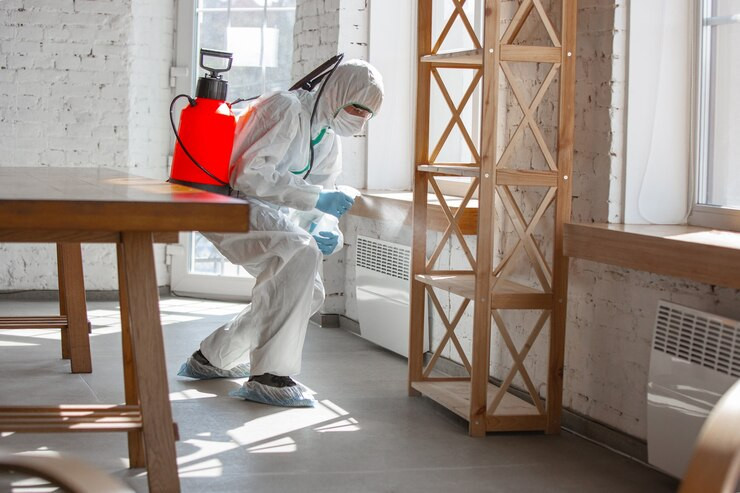
If your pest problem persists despite your best efforts, it’s time to call in the experts. Professional pest control services have the tools and expertise to identify and eliminate infestations quickly and effectively.
-
They can identify hidden entry points that you might have missed.
-
Professionals use safe, targeted treatments that address the specific pests in your home.
While DIY methods work well for prevention, a severe infestation often requires professional intervention to ensure your home is pest-free.
Use Natural Pest Repellents
If you prefer eco-friendly solutions, natural pest repellents can help deter pests without harmful chemicals.
-
Peppermint oil is a natural deterrent for mice and spiders—simply place a few drops on cotton balls and place them in entry points.
-
Diatomaceous earth, a non-toxic powder, can kill insects like roaches and ants when sprinkled in their paths.
-
Citrus peels and vinegar can also repel pests effectively.
Natural solutions work best in combination with other preventive measures, so don’t rely on them alone to solve a major infestation.
Monitor for Signs of Infestation
Stay vigilant for early signs of pests in your home. Catching an infestation early makes it easier to manage and prevents further damage.
-
Look for droppings, gnaw marks, or nests in hidden areas.
-
Notice any unusual noises, especially scratching or rustling sounds in walls or ceilings.
-
Be aware of unusual smells, which can indicate the presence of rodents or roaches.
Regular monitoring ensures you can act quickly to prevent pests from taking over your home.
FAQs About Winter Pest Control
Q1: How can I tell if I have a pest infestation in winter?
Common signs include droppings, chewed wires or wood, nests, scratching sounds in walls, and sightings of pests themselves. Early detection is key to preventing a full-blown infestation.
Q2: Are pests more active during winter?
Yes, while some pests hibernate, many others become more active indoors as they seek warmth, food, and shelter. Your home provides the ideal conditions for them.
Q3: Can I use essential oils to keep pests away?
Yes, essential oils like peppermint, eucalyptus, and citronella can repel certain pests. However, these should be part of a broader pest control strategy.
Q4: How often should I inspect my home for pests?
Inspect your home at least once a month during winter, paying close attention to basements, attics, and crawl spaces where pests are more likely to hide.
Q5: What’s the best way to prevent rodents in winter?
Seal entry points, keep your home clean, and store food properly. Setting traps and calling a professional if needed are also effective measures.
By following these winter pest control tips, you can ensure a safer, more comfortable home this January. Stay proactive, and you’ll enjoy a cozy, pest-free winter season.

Contact Information:
Southern Perimeter LLC
4763 Planer Rd
Effingham, SC 29541
United States
Evan Lee
(843) 601-2791
https://www.southernperimeter.com/
Original Source: https://southernperimeter.com/media-room/#/media-room