Key Takeaways
- Quarterly pest control costs significantly less than emergency treatments, with recurring visits typically ranging from $90-$250 per treatment versus one-time treatments costing $150-$700.
- Year-round protection addresses seasonal pest patterns when different species are most active, from spring breeding seasons to winter indoor invasions.
- Regular pest management reduces health risks by minimizing disease-carrying pest populations and allergen exposure in the home.
- Early detection through quarterly inspections prevents costly structural damage from termites and carpenter ants that could devastate property values.
- Recurring plans provide predictable budgeting and peace of mind compared to reactive pest management approaches.
When considering pest control options, homeowners often wonder whether investing in quarterly service makes financial and practical sense. The answer involves weighing immediate costs against long-term benefits, understanding seasonal pest behavior, and recognizing the protection that recurring plans provide beyond simple pest elimination.
Quarterly Pest Control Costs Less Than Emergency Treatments
The mathematics of pest control clearly favor proactive approaches over reactive solutions. Regular quarterly visits typically cost between $90 and $250 per treatment, creating an annual investment of $360 to $1,000 for home protection. In contrast, emergency pest control services for severe infestations typically range from $150 to $700 per treatment, often requiring multiple visits to fully resolve the problem.
Many pest control companies in Virginia offer significant discounts for recurring service agreements, making quarterly plans even more economical than scheduling individual treatments. For instance, professional pest control companies like Connor’s Pest Pros structure their recurring packages to provide maximum value while ensuring continuous protection throughout the year.
The National Pest Management Association (NPMA) emphasizes that proactive pest management significantly reduces the likelihood of severe infestations that require expensive emergency interventions. This preventative approach creates predictable budgeting for homeowners, eliminating surprise expenses that can strain household finances when pest problems escalate beyond simple DIY solutions.
Year-Round Protection Addresses Seasonal Pest Patterns
Pest activity follows predictable seasonal cycles, making year-round protection necessary for home defense. Understanding these patterns allows homeowners to appreciate why quarterly treatments align perfectly with natural pest behavior throughout the calendar year.
Spring and Summer: Active Breeding Season
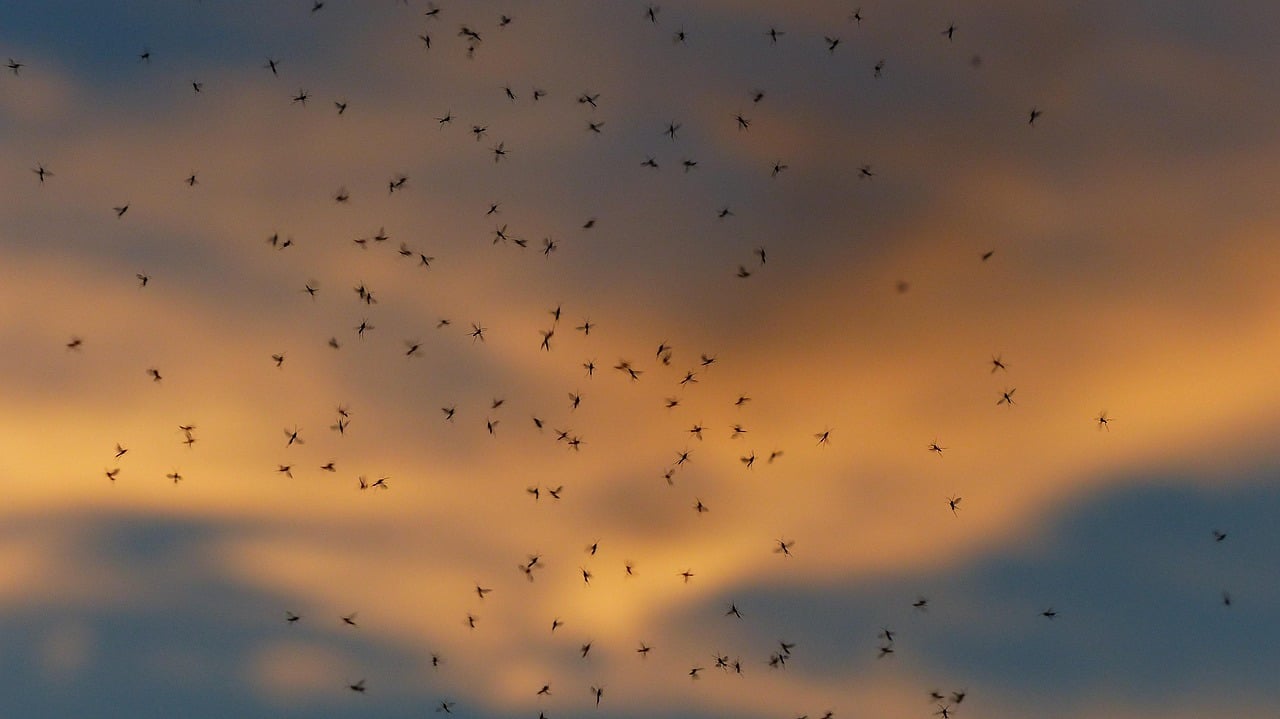
Spring brings awakening pest populations as temperatures rise and food sources become abundant. Ants establish new colonies, termites begin swarming, and mosquitoes start breeding in standing water. Summer intensifies this activity, with peak reproduction rates for most common household pests. Quarterly treatments during these months target breeding sites and create protective barriers before populations explode.
Flying insects are particularly problematic during the warmer months, seeking entry points around windows, doors, and ventilation systems. Professional treatments focus on exterior perimeters and potential nesting areas, preventing indoor invasions before they begin.
Fall: Seeking Winter Shelter
As temperatures drop, pests actively search for warm shelter to survive winter months. Rodents, spiders, and insects begin migrating indoors, seeking food sources and comfortable nesting areas. Fall treatments are vital for sealing entry points and eliminating pests before they establish winter colonies inside homes.
This seasonal transition period represents a high risk for new infestations, as rodents, in particular, become significant indoor problems during fall and winter months. Quarterly service timing ensures professional attention precisely when homes are most vulnerable to invasion.
Winter: Indoor Infestations Peak
Winter pest problems differ significantly from warm-weather issues, focusing on established indoor populations rather than exterior threats. Cockroaches, bed bugs, and rodents that successfully entered during fall months begin reproducing in heated indoor environments. Winter treatments target these established populations while maintaining protective barriers for the upcoming spring season.
Indoor air quality is particularly important during winter months when homes remain sealed against cold weather, potentially concentrating pest allergens and disease-carrying organisms in living spaces.
Health Benefits Beyond Just Eliminating Pests
Quarterly pest control provides significant health advantages that go way beyond simple pest elimination, creating safer living environments for families and pets throughout the year.
Reducing Disease-Carrying Pest Populations
Many common household pests serve as vectors for serious diseases and health conditions. Cockroaches can spread salmonella and other foodborne pathogens through contamination of surfaces and food supplies. Rodents carry hantavirus and salmonella in their droppings and urine. Regular quarterly treatments significantly reduce these disease-carrying populations before they can establish large colonies.
Professional pest management focuses on source elimination rather than just killing visible pests, addressing breeding sites and food sources that allow disease-carrying populations to thrive. This approach provides more effective health protection than sporadic treatments that only address immediate problems.
Minimizing Allergen Exposure
Pest-related allergens represent a major indoor air quality concern, particularly for children and individuals with respiratory conditions. Cockroach allergens rank among the most potent triggers for asthma and allergic reactions, while rodent dander and droppings contribute to respiratory irritation and allergic responses.
Quarterly treatments maintain consistently low pest populations, preventing the accumulation of allergen-producing waste and body parts that trigger health problems. This ongoing protection proves particularly valuable for households with young children, elderly residents, or family members with compromised immune systems.
Structural Damage Prevention Saves Major Repair Costs
The most expensive consequences of pest infestations often involve structural damage that compromises home integrity and requires costly professional repairs. Quarterly pest control provides early detection and prevention of these devastating problems.
Early Detection of Termites and Carpenter Ants
Termites and carpenter ants cause billions of dollars in structural damage annually, often working undetected for months or years before homeowners notice problems. These wood-destroying insects target load-bearing components, floor joists, and foundation elements that are expensive and difficult to replace.
Quarterly inspections include systematic examination of vulnerable areas where wood-destroying insects typically establish colonies. Professional technicians identify mud tubes, sawdust deposits, and hollow-sounding wood that indicate active infestations requiring immediate treatment. Early detection allows for targeted treatments that eliminate colonies before extensive damage occurs.
The cost difference between early intervention and major structural repairs can reach tens of thousands of dollars, making quarterly inspection and treatment a wise investment in property protection.
Protecting Property Value Long-Term
Real estate professionals consistently identify pest damage as a major factor in property valuation and marketability. Homes with documented pest problems face reduced buyer interest, lower offers, and extended time on the market. Structural damage from pests creates immediate red flags during home inspections, often requiring extensive repairs before sales can proceed.
Quarterly pest control creates documentation of ongoing property maintenance that reassures potential buyers and protects resale values. Many real estate professionals recommend maintaining pest control records as part of property documentation that demonstrates responsible homeownership.
Quarterly Pest Control Provides Superior Value and Peace of Mind
The benefits of quarterly pest control create long-term value that justifies the investment for most homeowners. Cost savings, health protection, and structural preservation combine to deliver superior results compared to reactive pest management approaches.
Homeowners with recurring pest control services consistently report greater peace of mind, knowing their properties receive continuous professional attention throughout changing seasons and pest cycles. This predictable protection eliminates the stress and uncertainty associated with pest problems while providing budget-friendly management of household maintenance expenses.
The integrated pest management strategies employed in professional quarterly programs focus on long-term prevention with minimal environmental impact, using targeted treatments and monitoring rather than broad-spectrum chemical applications. This approach proves more effective and environmentally responsible than emergency treatments that require intensive pesticide use to control established infestations.
Connor’s Pest Pros
5410 Port Royal Rd
Springfield
VA
22151
United States