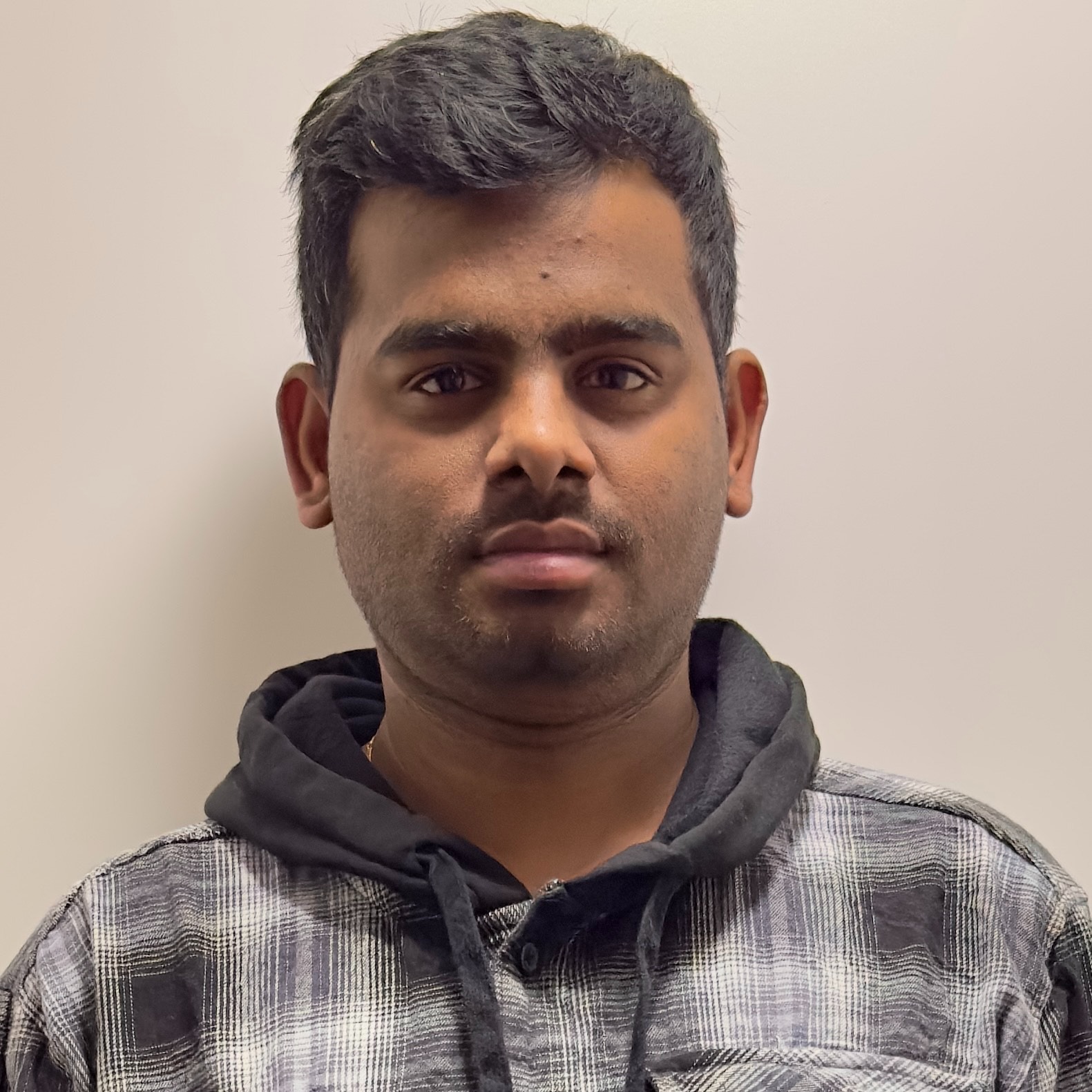
WEST CHESTER, OH, UNITED STATES, September 25, 2026 /EINPresswire.com/ — Independent researcher and technical architect Ramesh Babu Kallam released an open benchmark called MARQ-Bench in August 2026. This technical resource examines how language models generate data quality validation rules. It also reviews how those specific rules affect datasets used for machine learning.
The official benchmark contains exactly 8,617 machine-authored validation rules. These rules were generated through 480 strictly controlled runs. The release includes helpful failure codes and a detailed testing harness. It also provides reproducible research materials publicly available under an open MIT license.
The core research evaluates whether artificial intelligence can identify data problems reliably. It also tests whether filtering data through these specific rules affects later analytical performance.
The study reported several notable findings regarding these data quality gates:
– Every tested quality gate noticeably reduced downstream model discrimination.
– Exactly 56.2% of the generated rules rejected no records.
– Almost 16.7% of tested gates left the final data product unbuildable.
– About 83% of configuration cells showed less than 0.80 similarity across runs.
The study revealed that different information sources produced very specific improvements. Published documentation successfully reduced sentinel-value errors by 54%. Meanwhile, measured data profiling reduced invented categories by 77%. Providing both sources did not completely prevent either failure mode.
Kallam conducted a separate research study focusing intensely on data quality validation. He examined approximately 1.2 million records gathered directly from public datasets. This deep review identified a significant measurement problem affecting defect-injection benchmarks.
His academic findings showed that existing dataset defects must be properly considered. When they were entirely ignored, detector precision could be understated by 28 times. These findings form a major foundational part of his wider research efforts.
His professional work clearly reflects these deep academic interests. Kallam currently works as a technical architect building massive data pipelines. He uses modern cloud platforms like Azure Databricks and Delta Lake. His current systems handle business rules across more than one hundred countries.
Kallam holds a Master of Science in Information Systems and Technologies. He earned this advanced degree from the University of North Texas. His research artefacts feature permanent digital object identifiers for easy academic access. He makes all code and measured results available to support independent replication.
More information is available through Ramesh Babu Kallam’s LinkedIn profile.
Ramesh Babu Kallam
Independent Researcher
email us here
Legal Disclaimer:
EIN Presswire provides this news content “as is” without warranty of any kind. We do not accept any responsibility or liability
for the accuracy, content, images, videos, licenses, completeness, legality, or reliability of the information contained in this
article. If you have any complaints or copyright issues related to this article, kindly contact the author above.

Media gallery